
Search
A tambour door normally moves with very little effort. When it starts catching halfway, feels tight, or rubs on one side, don't assume the door is defective.
The track is the first place to look. A dirty channel, a loose screw, a shifted slat, or a cabinet that is slightly out of alignment can all make the door difficult to move.
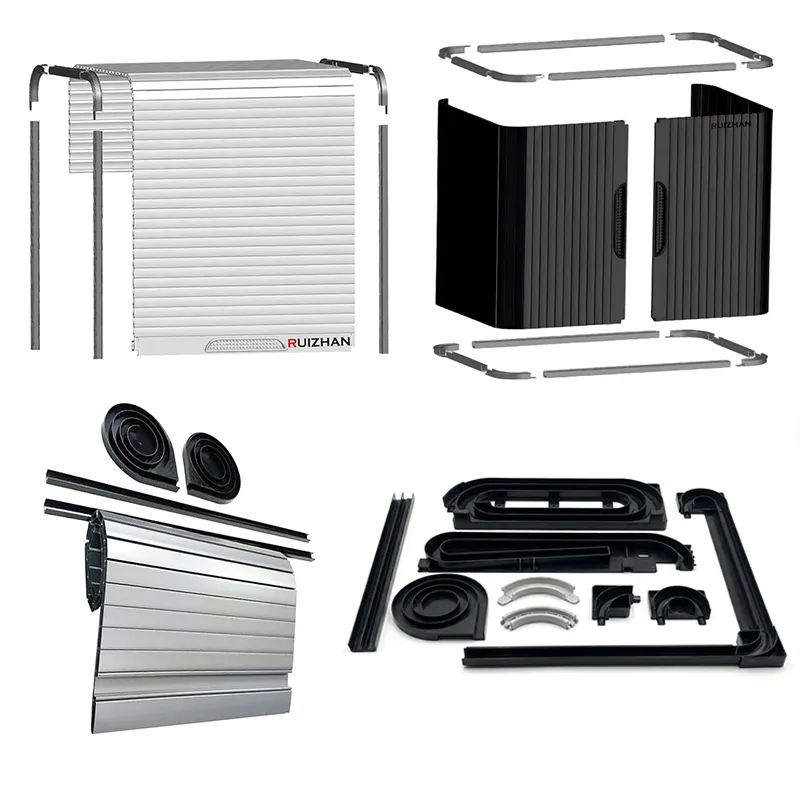
Most sticking problems come from one of these areas:
· Dirt or residue in the track
· A slat that has moved out of position
· Track alignment
· Limited clearance
· Heat affecting the fit
The easiest clue is where the door stops. If it catches at the same point every time, inspect that section first.
Open the door and look closely inside both tracks.
Dust and sawdust are common on furniture and cabinet projects. In RVs, dirt can also collect in the lower sections of the running channel. Adhesive residue or other material left during installation can cause the same problem.
Remove anything visible with a soft brush or dry cloth. Check the track edges as well. A bent section or a screw that sits above the track surface can interfere with the slats.
After cleaning, move the door slowly again.
If it runs normally, the problem was probably in the track rather than the door.
Still catching?
Look at the slats while moving the door a few centimeters at a time.
One slat may sit slightly higher, lower, or sideways compared with the others. This can happen after rough handling or if the door has been pulled from one side.
Pay particular attention to the place where the door catches.
If you find a damaged slat or connector, don't keep forcing the door. Take a photo and check with the supplier before attempting a repair. The construction of different tambour door systems is not always the same.
Sometimes the door is not the problem.
A cabinet opening that is slightly out of square can change the position of the tracks. The door may then run freely at the top but become tight farther down.
Check the opening at several points and make sure the tracks are properly aligned and firmly fixed.
This matters even more with custom-made doors. The finished cabinet should match the dimensions supplied to the manufacturer.
If the door works normally when the cabinet is cool but becomes difficult to move after several hours in the sun, temperature may be involved.
This can happen in an RV, campervan, or cabinet installed close to a heat-producing appliance. Plastic components can change slightly with temperature, leaving less room for movement.
Don't pull harder when this happens. Let the area cool down and check the clearance and track installation.
For projects exposed to higher temperatures, material selection should be considered together with the profile design and installation conditions.
When a tambour door becomes hard to slide, check it in this order:
1. Clean the track.
Remove dust and visible debris.
2. Find the sticking point.
Move the door slowly and note exactly where it catches.
3. Inspect the slats.
Look for a raised, twisted, or damaged section.
4. Check the tracks.
Make sure they are aligned and properly fixed.
5. Check the cabinet opening.
Look for changes in width, height, or squareness.
6. Consider the temperature.
If the problem appears only in hot conditions, check the available clearance.
Avoid forcing the door. A stuck door usually tells you that something in the running system needs attention.
If cleaning and inspection do not solve the problem, stop making adjustments and contact the manufacturer.
A short video is often more useful than a long description. Also provide:
· Door size
· Cabinet opening size
· Track type
· Photos of the sticking area
· Where the door stops
· Application, such as cabinet, furniture, or RV
For a custom order, the supplier can compare the installed dimensions with the original specification and determine whether the issue is related to installation, clearance, or the door system itself.
Check the track first. Dirt, a shifted slat, a loose track, or a change in cabinet alignment can all increase resistance.
Uneven track alignment or a cabinet opening that is not square is worth checking first.
Temperature can affect the fit between the slats and track. This is particularly worth checking in enclosed spaces such as RVs and campervans.
No. Find the point of resistance first. Continued force can turn a small alignment problem into a damaged component.
This is the first one.