
Search
When designers compare tambour doors vs traditional cabinet doors, the right choice depends on how the cabinet will be installed and used. A tambour door guides connected slats along a track, while a conventional hinged door uses one or more rigid panels that swing outward. For clarity, this article compares tambour doors with hinged cabinet doors; sliding and lift-up doors have different space and hardware requirements.
The short answer is practical: choose a tambour door when front clearance, traffic flow or flexible integration is the main constraint. Choose a hinged door when there is ample swing space, simple construction is preferred and the cabinet should retain as much uninterrupted interior volume as possible. Neither design is automatically better in every application.
Decision Factor | Tambour Door | Hinged Cabinet Door |
Opening path | Slats travel along a vertical, horizontal or curved track. | Rigid panel swings through an arc in front of the cabinet. |
Space trade-off | Removes swing clearance but needs a track and a place to store the open door. | Uses little internal track space but needs clear space outside the cabinet. |
Access | The opening depends on where the slats park or coil. | Can provide wide access, although the open panel projects into the room. |
Integration | Adapts well to compact layouts and purpose-designed cabinet geometry. | Straightforward for standard rectangular cabinets. |
Maintenance | Tracks must stay clean, aligned and free of damaged slats or stops. | Hinges may need tightening or alignment as the door settles. |
Best fit | Tight aisles, mobile interiors and cabinets where a projecting door is undesirable. | Conventional furniture with adequate clearance and simple hardware needs. |
A hinged cabinet door needs a clear swing envelope. A nearby wall, worktop appliance, seat or narrow aisle can prevent the panel from opening fully, and an open door may interrupt movement through the space. This is why the comparison often favors a rolling cabinet door in compact kitchens, office storage and vehicle interiors.
RUIZHAN’s PVC and ABS tambour door systems remove that external swing arc by guiding the slats inside or around the cabinet structure. However, a tambour door is not a zero-space mechanism. The track, turning radius and storage path still need room, and a shallow cabinet may lose some usable depth. The correct comparison is therefore the complete three-dimensional opening envelope, not front clearance alone.
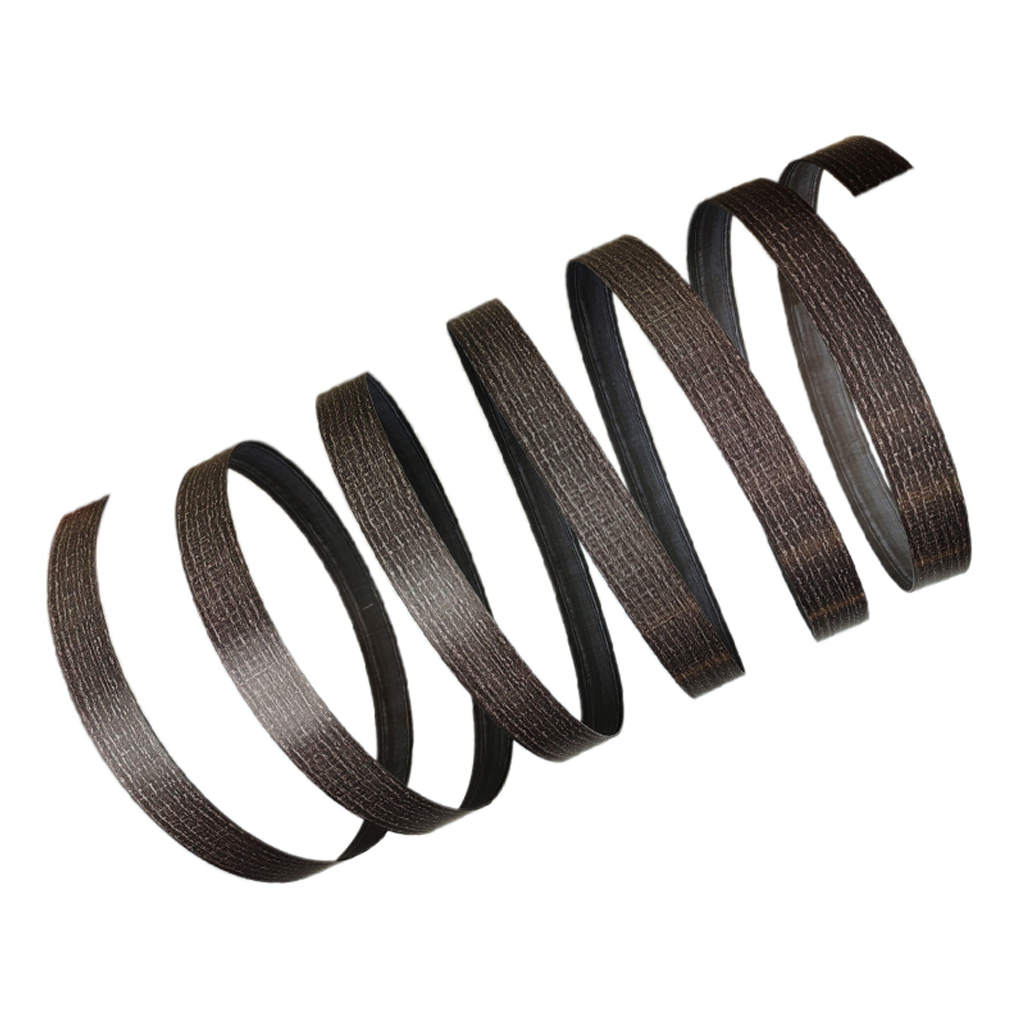
[Image 1 placement] Use a side-by-side clearance diagram showing the hinged-door swing arc and the tambour-door track/storage path. Suggested alt text: “Tambour door vs hinged cabinet door clearance comparison”
A hinged panel carries its load at the hinge side. If the panel is wide or heavy, unsuitable hardware or weak fixing points can lead to sagging and uneven gaps. A tambour system distributes movement through multiple slats and guides, but smooth operation depends on track alignment, clean running surfaces and correctly matched components.
PVC or ABS slat assemblies may weigh less than some thick wood or metal door panels, which can help in furniture and vehicle projects. The comparison should still use the finished door system rather than the material name alone. Slat geometry, backing or connection design, tracks, handles and locks all contribute to total weight and operating force.
Durability also depends on the application. Hinged doors rely on the panel, hinges and cabinet fixing points; tambour doors rely on material formulation, slat connections, track geometry and end stops. A well-specified system can perform reliably, but broad claims such as “maintenance-free” or “more durable than every wood door” should be avoided unless a defined test supports them.
Hinged doors are often easier to integrate into a standard cabinet because the installer mainly controls hinge position, reveal and panel alignment. Tambour doors require earlier planning. The cabinet opening, track route, turning radius and door-storage position must work together, and the cabinet needs to remain square so the slats do not bind.
A matched kit can reduce compatibility problems between slats, tracks and accessories. When sourcing tambour doors for cabinets, confirm whether the proposed system uses a surface-mounted, recessed or coiling track and review the actual cabinet drawing before approving a sample.
Routine care is different rather than necessarily greater. Hinged doors may need hinge screws or alignment adjusted over time. Tambour systems benefit from clean tracks, secure stops and inspection for slat damage or debris. Lubricants should only be used when the system supplier recommends a compatible product, because an unsuitable lubricant can attract dust or affect plastic components.
Tambour doors suit appliance garages, wall cabinets and storage units where an open hinged panel would block the work area. A hinged door remains a sensible choice when the cabinet has clear front space, a traditional appearance is required or the internal track path would reduce useful storage too much.
In a narrow vehicle aisle, a door that does not project into the walkway can improve access and reduce interference with nearby furniture. RV and camper tambour doors should also be reviewed for vibration, secure closure, operating noise, moisture exposure and the available track route. A hinged door may still work for a small opening with adequate clearance and reliable latching.
Tambour doors can keep walkways and operating areas clear when cabinets are opened frequently. Hinged doors may be preferable where users need unobstructed full-width access, standard locks and simple field replacement. The decision should reflect the service task as well as the room layout.
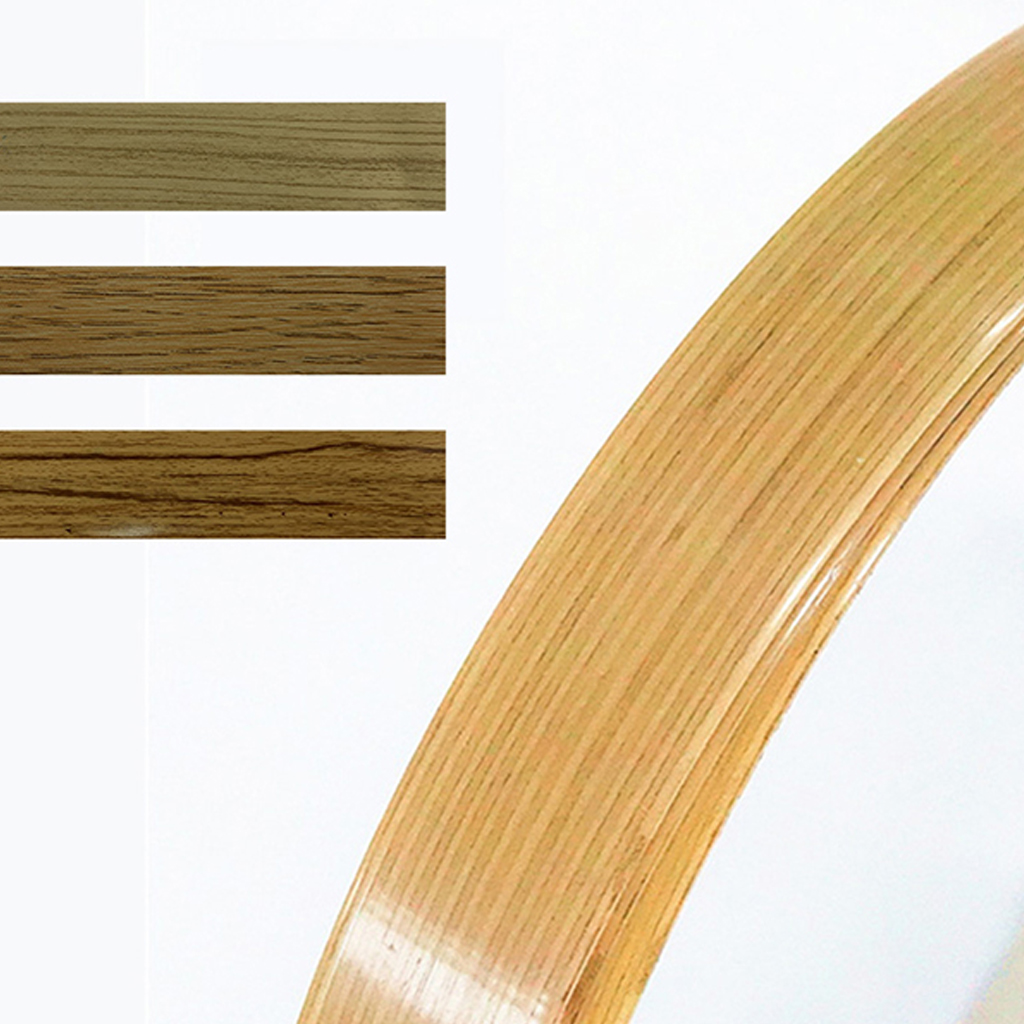
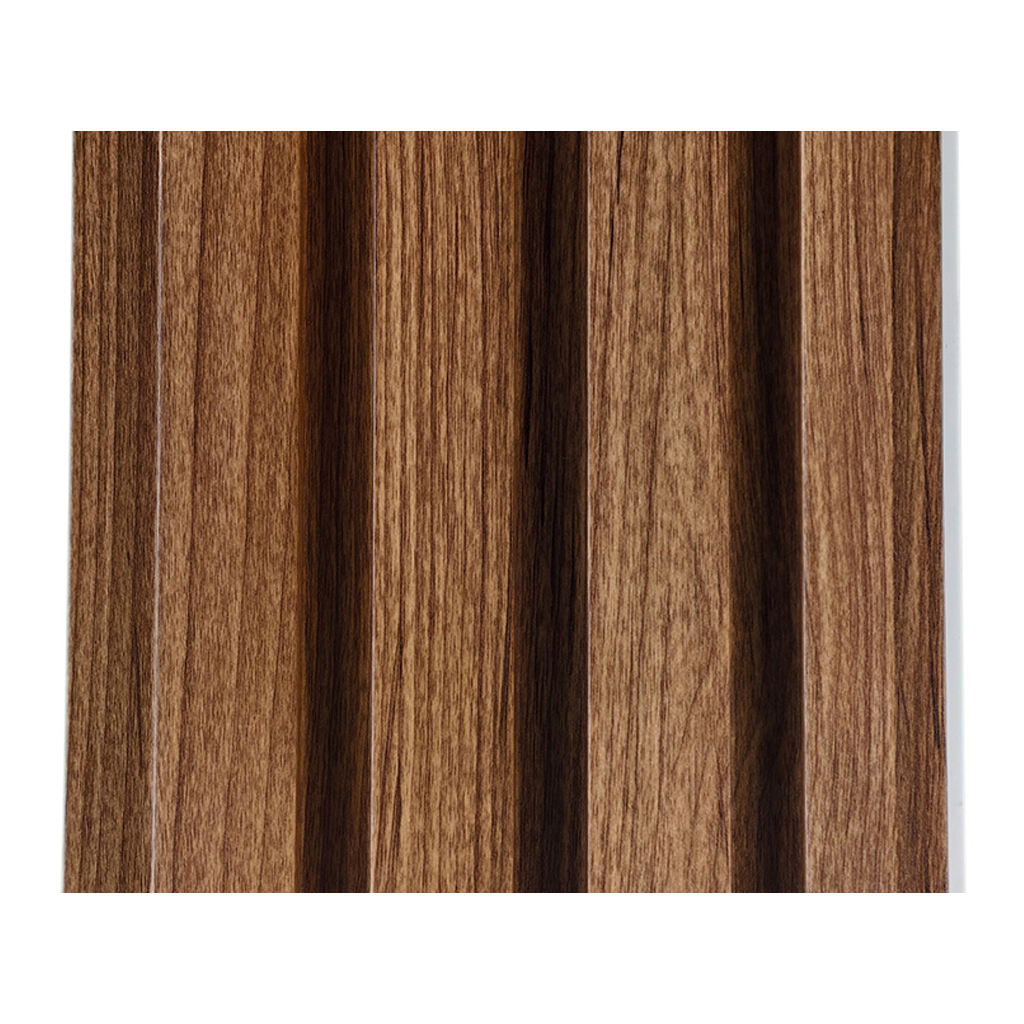
[Images 2–3 placement] Use one finished cabinet installation and one RV storage installation. Keep the product visible and avoid text overlays. Suggested alt text: “PVC tambour door in a compact cabinet / ABS tambour door in an RV storage unit”
A clear cabinet drawing is more useful than an opening width and height alone. It should show the internal depth, desired opening direction, proposed track route, storage position for the open door and any shelves, wiring or hardware that could interfere with movement. Add the preferred color or finish and explain whether the cabinet will be used in a fixed interior, a humid area or a mobile installation.
Review Area | Information to Confirm |
Cabinet geometry | Clear opening, internal depth, corners, obstructions and mounting surfaces |
Door movement | Vertical or horizontal travel, track type and where the open slats will be stored |
Use conditions | Access frequency, expected load, vibration, moisture and cleaning method |
Appearance | Color reference, gloss or texture, handle and visible track preference |
Approval | Dimensioned drawing, representative sample, installation check and signed finish standard |
The supplier can then recommend whether PVC or ABS, a standard kit or a custom profile, and a surface-mounted or recessed track better fits the project. Approve the complete door-and-track assembly on a representative cabinet before bulk production.
A tambour door moves connected slats along a track, while a hinged door swings a rigid panel outward. The first removes the swing arc; the second usually requires less internal track space.
They save external opening clearance, but the track and stored door still occupy space. The net benefit depends on cabinet depth, track route and where the slats park when open.
Not automatically. Durability depends on the selected material, component design, cabinet construction, installation quality and service conditions for either system.
Yes. The opening direction is determined by the cabinet layout and track design. The complete route and turning radius should be confirmed before the cabinet is manufactured.
Provide the clear opening and internal cabinet dimensions together with a drawing of the track path, opening direction, storage position and nearby obstructions. A finish reference and use description help complete the recommendation.
Tambour doors are often the stronger choice when a cabinet cannot spare front swing clearance or when an open door would obstruct a narrow workspace. Hinged doors remain effective for straightforward cabinets with sufficient clearance and a need for simple hardware or maximum uninterrupted interior volume.
For an OEM project, send RUIZHAN a cabinet drawing that shows the opening and proposed door path, together with the finish reference and expected order quantity. The team can review whether a standard PVC or ABS tambour door kit fits the application or whether a custom profile and track arrangement should be sampled.