Search
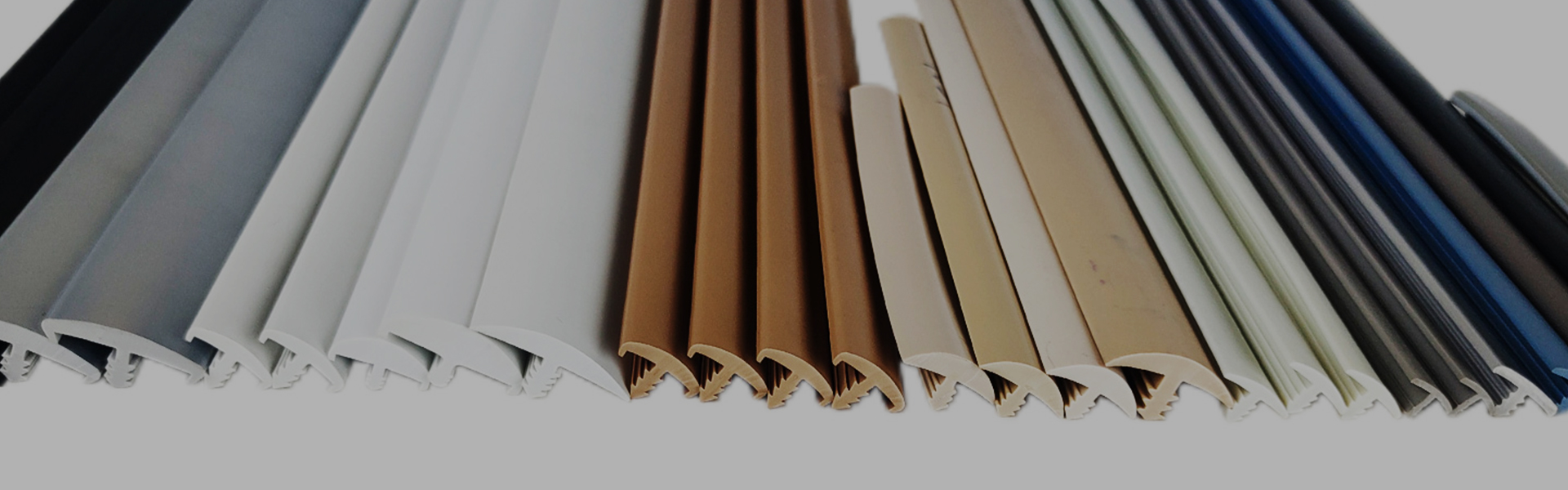
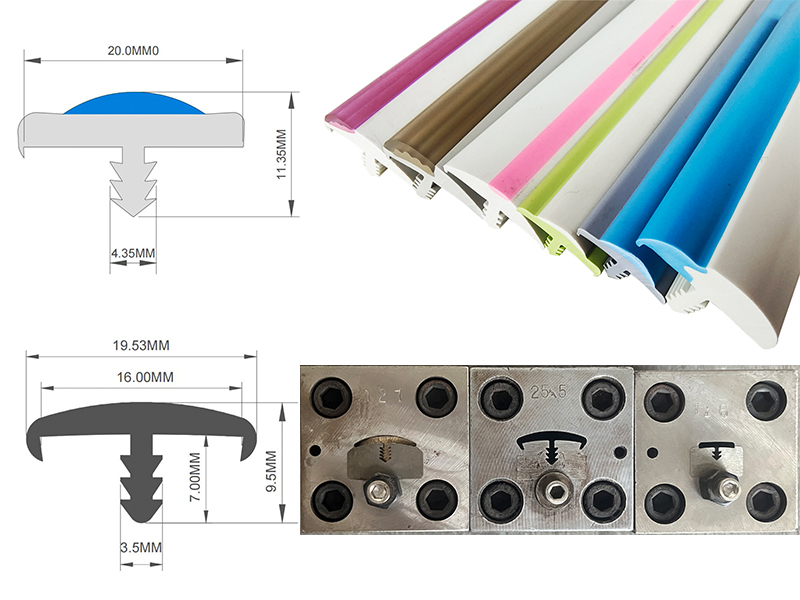
RUIZHAN T moulding edge banding is fully customizable in size, shape, hardness, and flexible softness, as well as a variety of plastic materials to meet customers’ specific needs for furniture decoration and collision avoidance. Our high-quality plastic T moulding edge banding solutions ensure both durability and modern aesthetics. With 24 moulds available, as shown in the PDF download, we help save your costs while providing reliable and attractive options for your furniture projects.
Whether you are looking for specific dimensions or unique material properties, our plastic T moulding edge banding is designed to offer the perfect fit for your requirements. Additionally, we offer a variety of color options, including the popular white t trim, which is perfect for achieving a clean and modern look in your furniture designs. The white t trim not only enhances the visual appeal but also provides robust edge protection, making it an ideal choice for both residential and commercial applications.
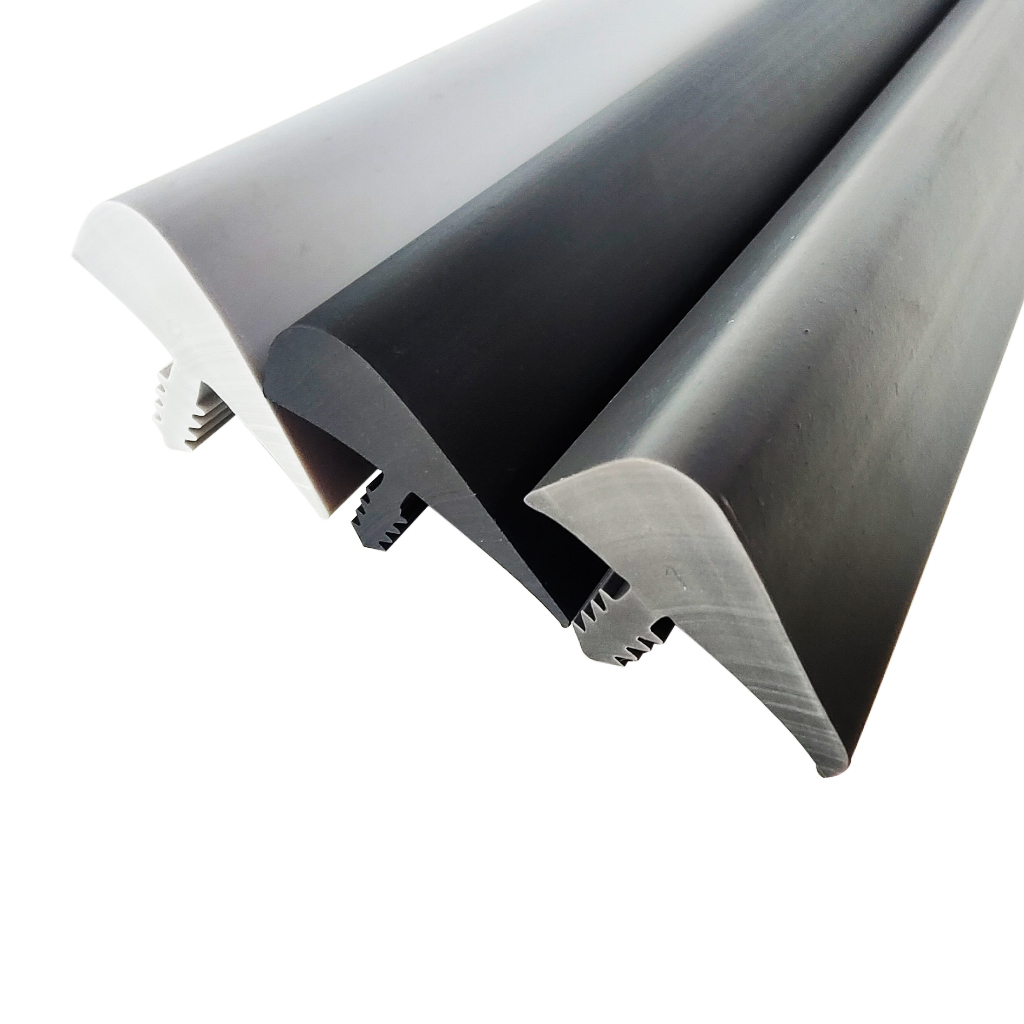
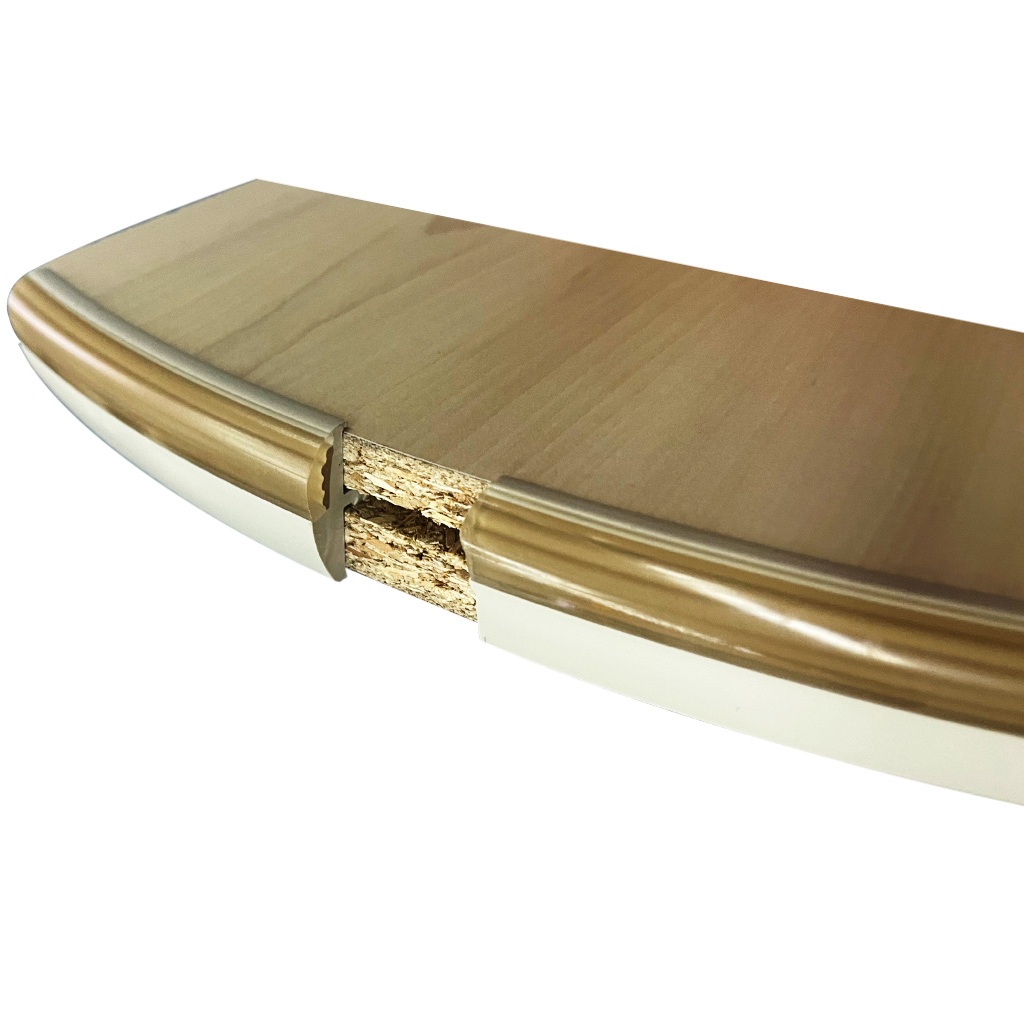
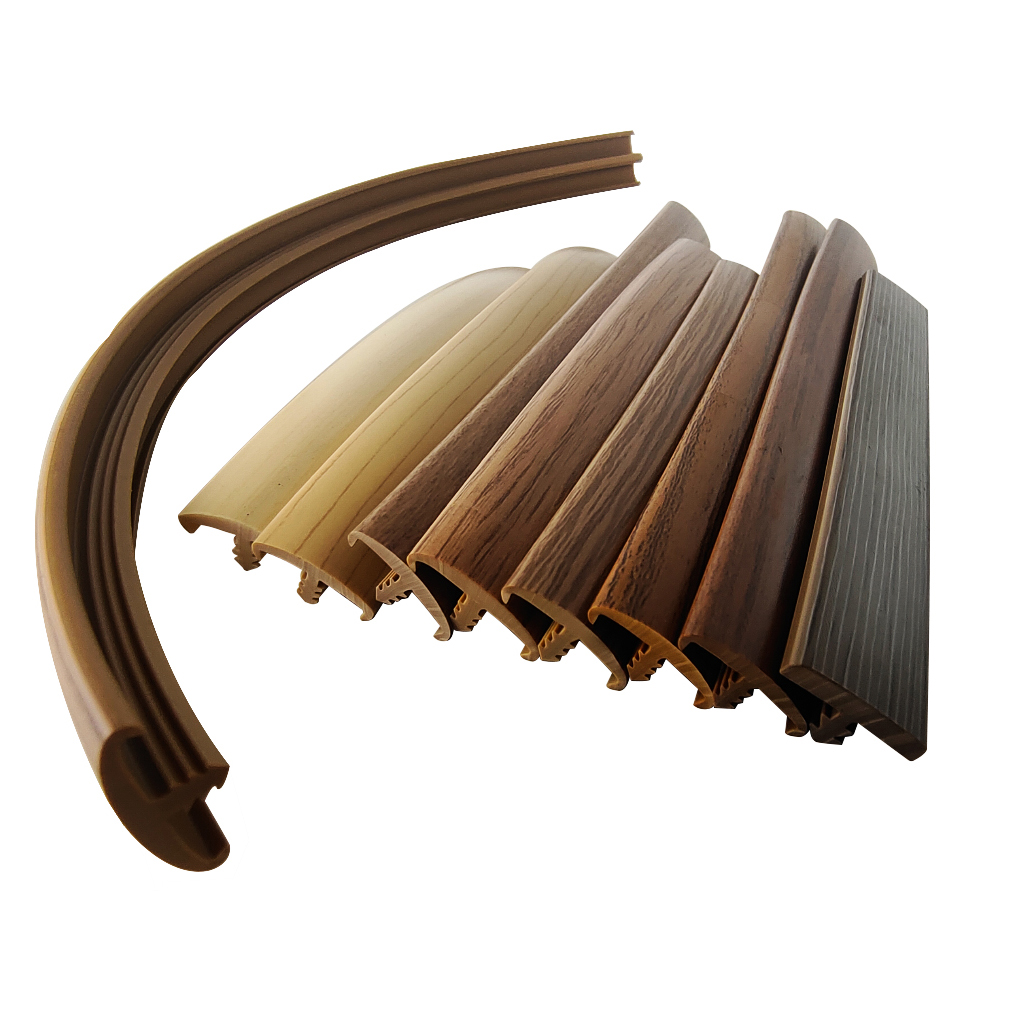
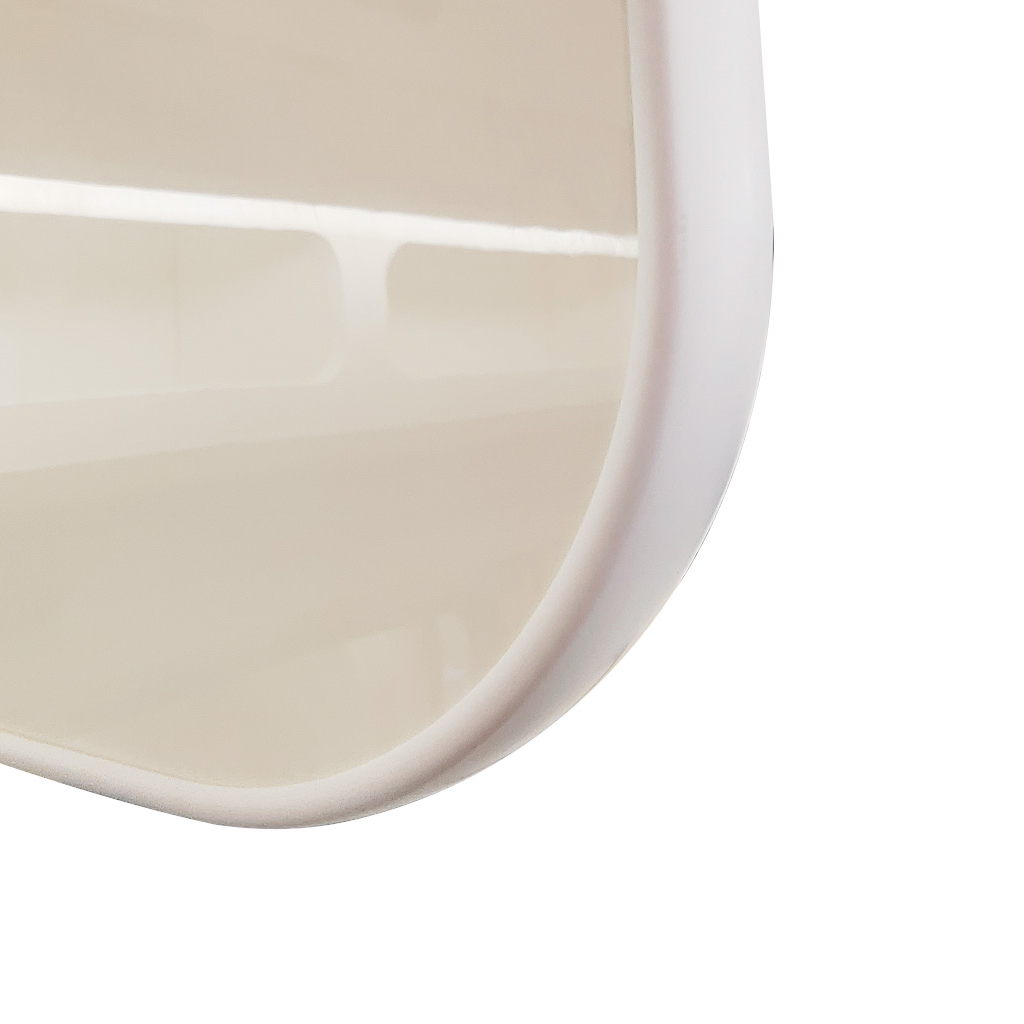
Multi-scenario application: Multipe moulds for different place, such as furniture for kids/office/school, door edge, edge of instruments and so on. Our plastic t moulding edge banding is versatile and suitable for various applications.
Collision avoidance: Softness and flexible customization ensure T molding edge strip protect end-user from hurt of collision.
Cost Saving: More than 24 regular moulds for different shape and size , our t molding edge banding helps save customers’ money on mould making, or offers customized shapes to meet specific demands with special types.
Aesthetically: As figure shown, RUIZHAN could custom co-extrusion plastic t molding edge strip for more colorful design for furniture edge decoration.
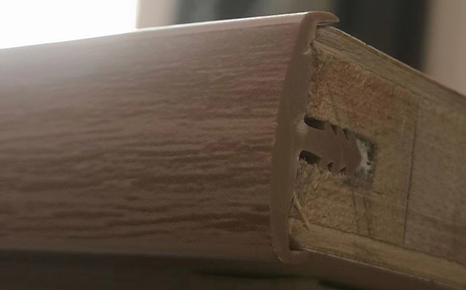
Easy Installation: Customer could just apply our t moulding edge banding to board without back glue, fix it by match the groove.
For those seeking a clean and modern look, our white plastic t trim is an excellent option. The white plastic T molding not only enhances the visual appeal of your furniture but also provides durable edge protection, ensuring your pieces remain in top condition. Whether you need white plastic t trim or any other color, our customizable solutions are designed to meet your specific needs and preferences.
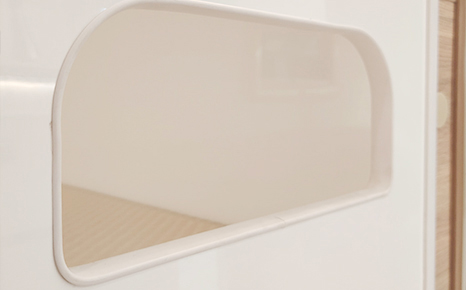
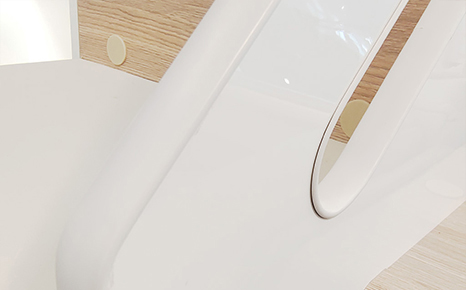
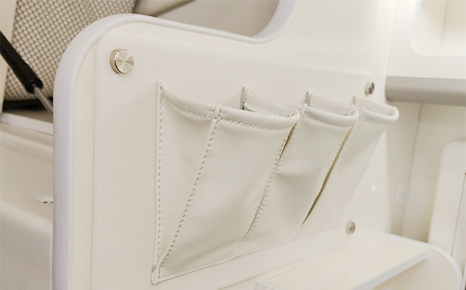
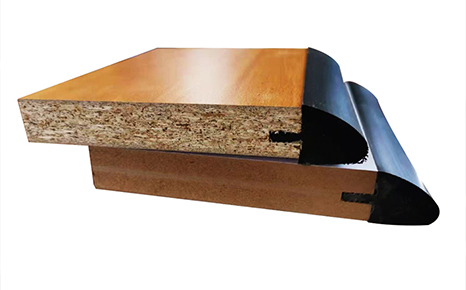
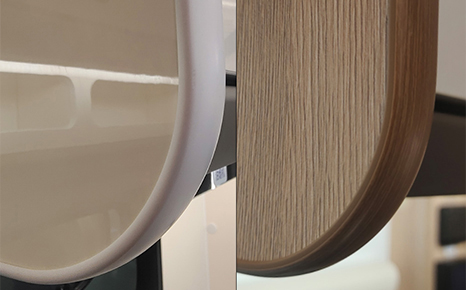
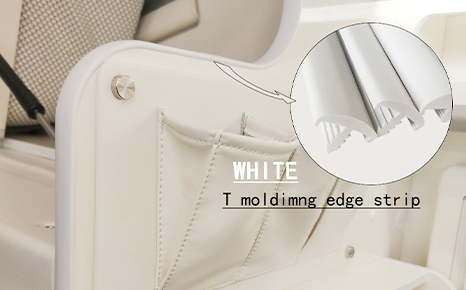
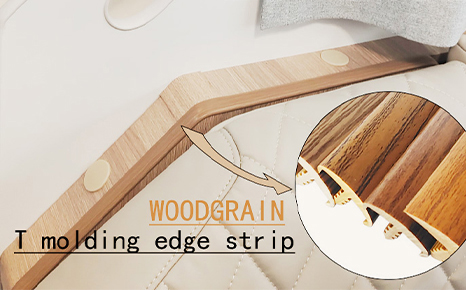
Unlike painted edges that chip or thin veneer that can peel, t moulding edge banding forms a protective “bumper” around exposed corners—making it a practical choice for t moulding for table edge protection in busy spaces (cafeterias, schools, shared offices, family homes).
Iron-on edge banding relies on glue and surface prep—great in some cases, but not ideal for every environment. T-molding installs mechanically into a slot, reducing the chance of edge lifting in areas prone to frequent wiping, splashes, or abrasion.
“Flexible” isn’t just a marketing word here—flexible PVC/vinyl T-molding is designed to follow radii and rounded corners with less risk of cracking or kinking. That makes it a go-to for rounded desktops, curved cabinet parts, and custom-shaped builds.
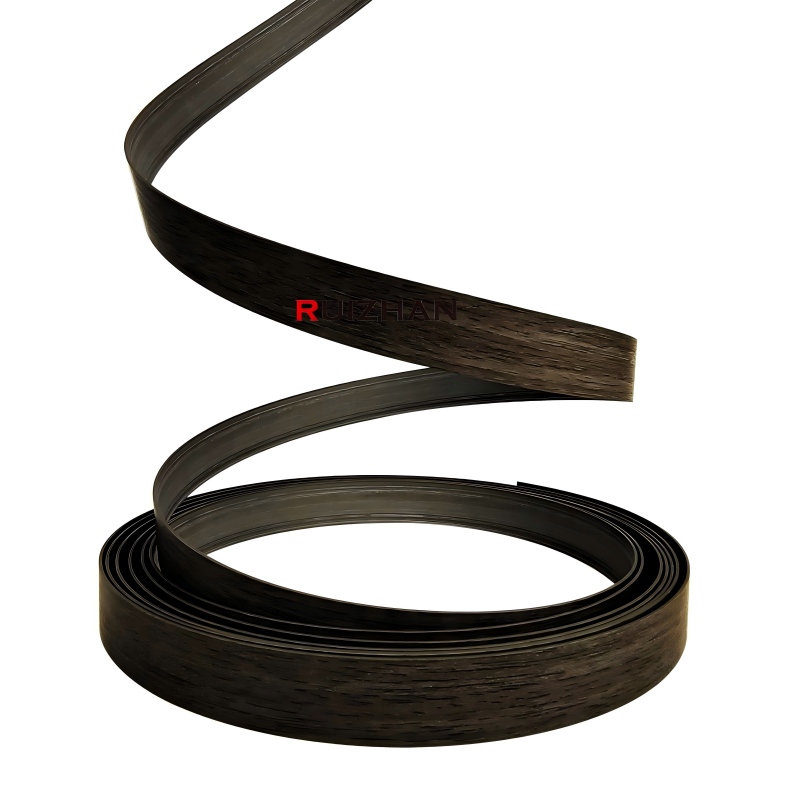
Black plastic t molding is the classic arcade look—and it still dominates gaming builds for a reason. It creates a high-contrast outline that makes panels look straighter, edges look sharper, and designs feel more “finished.”
Common use cases:
Arcade cabinets and control panels
Gaming desks and streaming setups
Industrial-style retail fixtures and displays
If you want a defined frame effect, black t molding is hard to beat.
White plastic t molding is popular for bright interiors and minimalist furniture because it blends into light surfaces and makes edges look crisp.
Common use cases:
Schools and training centers
Clinics, labs, and hospitals
Modern kitchens and built-ins
RZABS also highlights white as an “all-match” choice for many furniture styles.
Black plastic t molding is the classic arcade look—and it still dominates gaming builds for a reason. It creates a high-contrast outline that makes panels look straighter, edges look sharper, and designs feel more “finished.”
Common use cases:
Arcade cabinets and control panels
Gaming desks and streaming setups
Industrial-style retail fixtures and displays
If you want a defined frame effect, black t molding is hard to beat.
White plastic t molding is popular for bright interiors and minimalist furniture because it blends into light surfaces and makes edges look crisp.
Common use cases:
Schools and training centers
Clinics, labs, and hospitals
Modern kitchens and built-ins
RZABS also highlights white as an “all-match” choice for many furniture styles.
If you’ve ever seen arcade trim, you’ve seen T-molding done right. It protects edges from repeated impact and gives the cabinet its signature outline.
Desks, training tables, and collaborative workstations take constant edge damage from chairs, bags, and heavy daily use—T-molding helps extend service life and reduce “beat-up edge” replacements.
Great for:
Tables and shelves
Workbenches
Campervan conversions and built-ins
If you can route a slot, you can install T-molding.
Router + slot cutter (to cut the kerf slot)
Rubber mallet (to seat the barb without damaging the cap)
Notching tool (or sharp snips) for tight corners/radii
Terminology note: In woodworking, “kerf” refers to the width of material removed by a cutting tool—here, it’s the slot you cut for the barb to grip.
Set your slot cutter so the groove is:
Centered on the panel thickness (most common)
Cut to a depth that matches the barb height (so the cap sits flush)
Take your time here—most T-molding issues trace back to an inconsistent slot.
Before you commit to the full run:
Cut a short test slot.
Press in a small piece of T-molding by hand.
Confirm it seats firmly without deforming.
If it’s too tight, the cap can ripple; too loose, the molding can walk out over time. The goal is a firm press-fit.
For outside curves and tight radii:
Use a notching tool to remove small V-notches from the barb (not the cap surface)
This lets the stem flex while the cap stays smooth
Work gradually—small notches beat one big cut.
Pro tip: For very sharp curves, a heat gun used sparingly can increase flexibility. Warm the trim gently, install, and let it cool in place (avoid overheating to prevent gloss changes or warping).
For an invisible finish:
Dry-fit the full length first
Slightly overlap the end
Then cut both ends cleanly and join as a tight butt joint
This produces a cleaner seam than guessing a single cut.
RZABS positions itself as an experienced edge banding manufacturer with multiple production lines and industry partnerships, supporting stable supply for ongoing projects.
According to RZABS, their T-molding can be customized by size, shape, hardness, and flexible softness, and they offer 24+ regular molds to reduce custom tooling costs and speed up sourcing.
One of the fastest ways to reduce time-to-sample (and avoid unnecessary mold spend) is to start from existing profiles, then fine-tune material hardness and color to your board finish.
Example scenario: A client building a new product line can often avoid a brand-new tooling fee by selecting a close match from an existing mold set, then customizing color and material properties—cutting total development cost and lead time.
| Dimension or property | What to provide |
| Face width | Visible width and required edge coverage |
| Face shape | Flat, rounded, lip or custom contour |
| Stem and barb | Stem depth, thickness and barb geometry |
| Groove | Groove width, depth and manufacturing tolerance |
| Panel | Material, thickness, edge condition and machining method |
| Installation radius | Minimum inside/outside radius and installation temperature |
| Material | Required flexibility, hardness, finish and service environment |
| Appearance | Color reference, gloss, texture and acceptable variation |
Match the slot (kerf) width to the barb width of your T-molding profile. Always run a test piece first: the correct fit is firm and seats flush without forcing.
Yes, but you'll usually need to notch the barb (especially on tight outside corners) so the molding can bend without buckling.
Most T-molding is designed for a mechanical press-fit into the slot and can be installed without adhesive. In harsh-use environments, some fabricators add adhesive as extra insurance—but the slot fit is still the foundation.
Choose based on the design goal:
Black T-moulding = bold outline, arcade/industrial look
White T-moulding = clean, minimal, “all-match” modern finish
Provide face width and shape, stem depth and thickness, barb geometry, groove width/depth, panel material and the required installation radius.
The groove and barb determine insertion force and retention. A groove that is too narrow, wide, shallow or deep can cause installation or holding problems.
A concept can be discussed, but production approval requires a dimensioned section drawing and agreed tolerances.
Contact us directly for how to custom edge banding in color and size for your demand; Or Inquiry to custom plastic extrusion by send sample or design drawing.
No. 5 Zhenxing Road, Nanmo Town, Haian City, Nantong, Jiangsu