
Search
When choosing a tambour door for a cabinet, RV, kitchen, or equipment enclosure, the material affects more than the appearance.
plastic, wood, and aluminum have different costs, weights, moisture resistance, heat performance, and maintenance requirements. A material that works well in a dry indoor cabinet may not be the right choice for a campervan or a humid room.
This guide compares the three materials from a practical point of view, with a focus on cost, durability, installation, maintenance, and typical applications.
Feature | plastic Tambour Door | Wood Tambour Door | Aluminum Tambour Door |
Initial cost | Low | Medium to high | High |
Weight | Light | Medium | Heavy |
Moisture resistance | Excellent | Low | Good, depending on coating |
Heat resistance | Moderate | Good | Excellent |
Installation | Relatively simple | More involved | Usually more demanding |
Maintenance | Low | Regular maintenance | Low to moderate |
Appearance | Solid colors, wood grain, various finishes | Natural wood appearance | Metal appearance |
Common uses | Cabinets, kitchens, RVs, humid areas | Dry interiors, furniture | Industrial and heavy-duty applications |
The right choice depends on where the door will be used and what the project needs from the material.
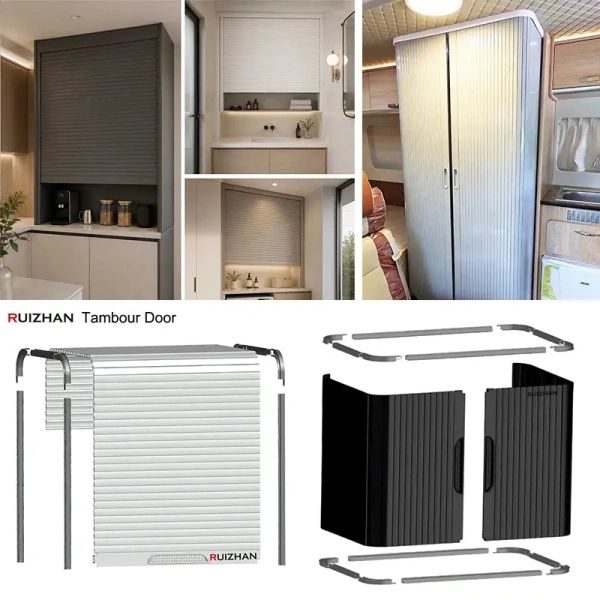
plastic is widely used for cabinet and furniture tambour doors because it keeps the door relatively light while offering good resistance to everyday moisture.
For kitchens, bathrooms, appliance garages, and RV interiors, this can be useful. Water splashes and humidity are less of a concern than they are with untreated wood.
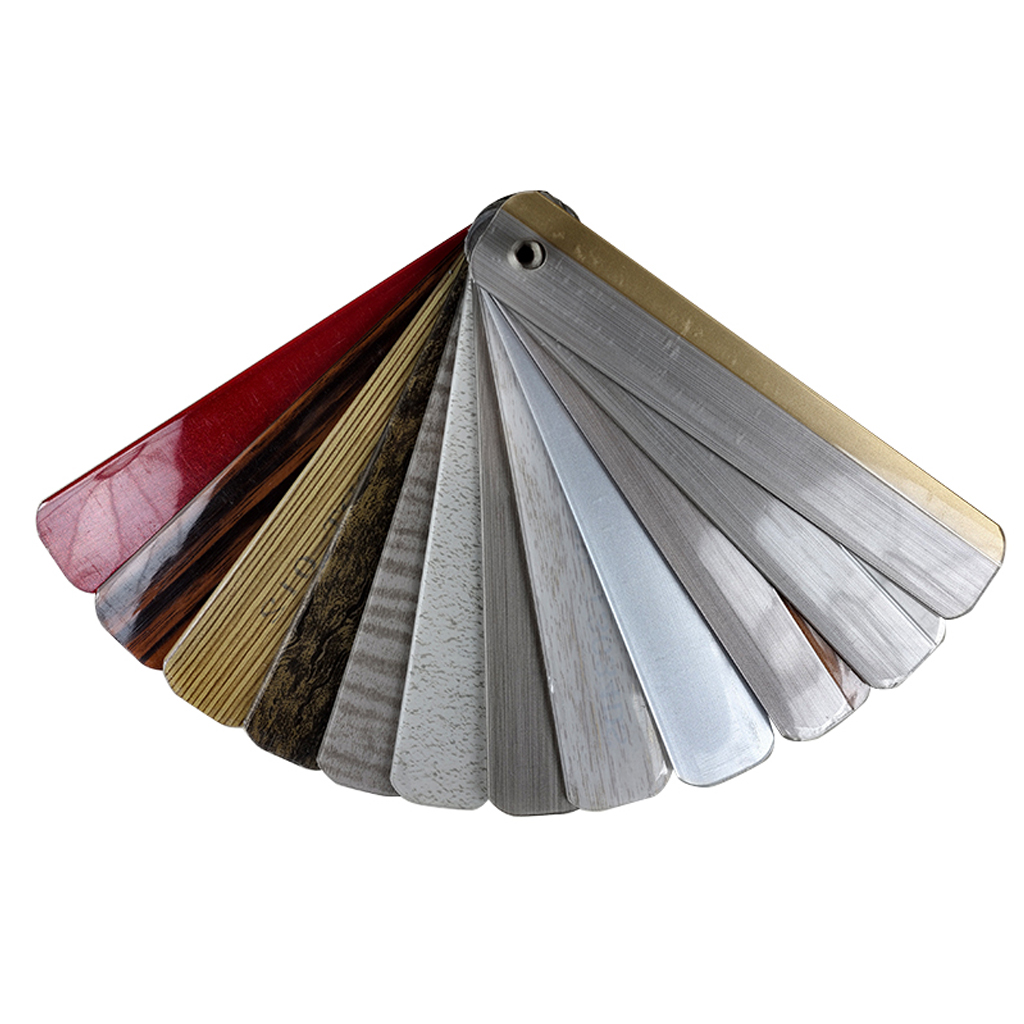
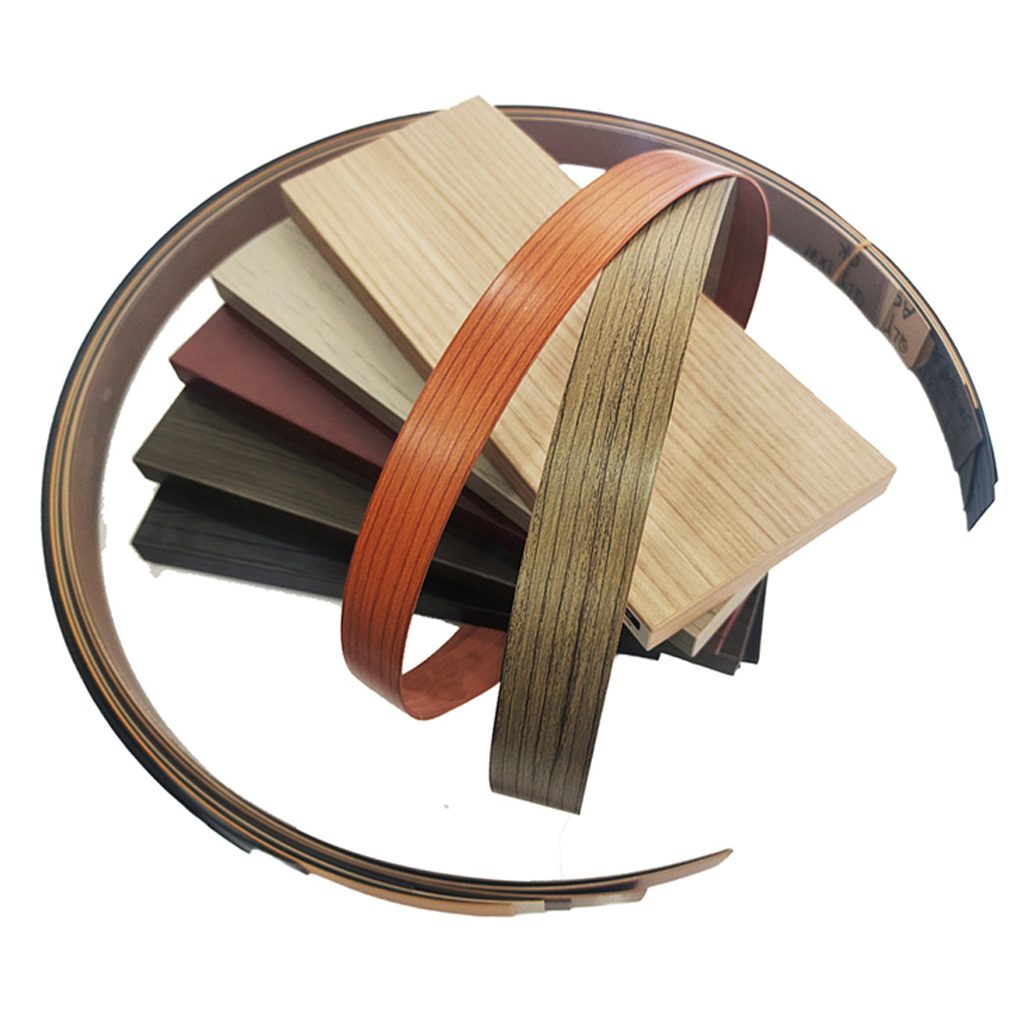
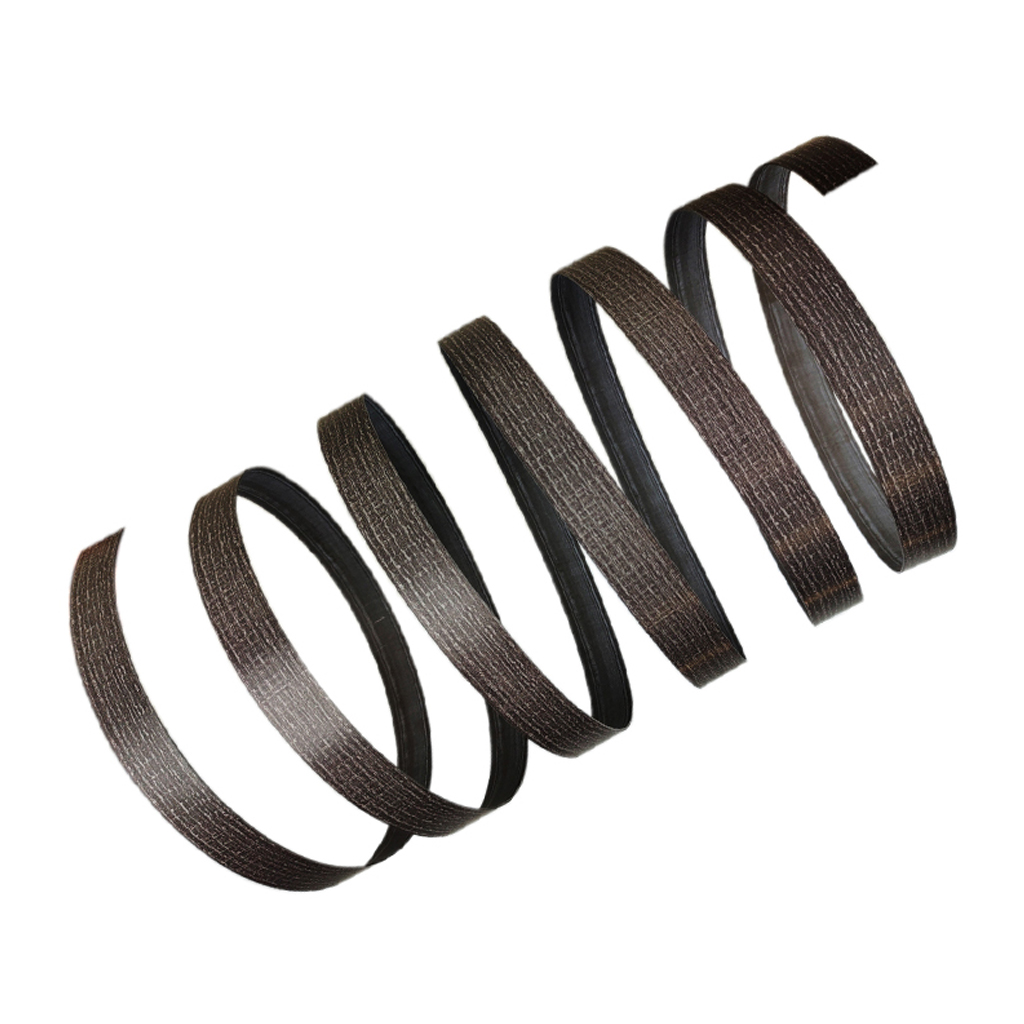
plastic also gives manufacturers more freedom with appearance. Depending on the profile and surface finish, plastic tambour slats can be supplied in white, gray, black, silver, wood-grain finishes, matte surfaces, and other custom options.
Another practical point is handling. A lighter door puts less weight on the cabinet structure and is easier to install and operate.
For projects where the door will be opened and closed frequently, the track and slat design still matter. Material alone does not determine how smoothly the finished door operates.
Wood is often chosen because of its appearance.
Real wood gives furniture a natural grain and a warmer visual effect that can be difficult to reproduce exactly with other materials. It is therefore more common in design-focused furniture and dry indoor spaces.
The main concern is moisture.
Wood can absorb moisture and may swell, warp, or deteriorate if it is not properly sealed and maintained. In a kitchen, bathroom, campervan, or other environment with regular humidity changes, this needs to be considered before choosing the material.
Wood may also require more maintenance over time, such as oiling, waxing, painting, or refinishing, depending on the finish.
For a dry interior where natural wood appearance is a major design requirement, these additional requirements may be acceptable.
Aluminum is normally considered when strength, heat resistance, or an industrial appearance is more important than keeping the door lightweight.
It can be a suitable option for equipment enclosures, industrial cabinets, and projects where the door needs to withstand more demanding conditions.
The trade-off is weight and cost.
Aluminum tambour doors are generally more expensive than plastic options, and the heavier construction can make installation and handling more difficult. The surface coating also matters. Moisture resistance and long-term appearance can depend on the type and quality of the coating.
For standard furniture, cabinet, or RV applications, the additional weight and cost may not always be necessary.

Material price is only one part of the final tambour door cost.
The total cost can also be affected by:
· Profile weight
· Slat size and thickness
· Surface finish
· Door dimensions
· Track design
· Quantity
· Custom tooling requirements
· Installation labor
plastic usually has an advantage when the project needs a lightweight and cost-conscious solution.
Wood can become more expensive when sealing, finishing, and regular maintenance are included.
Aluminum usually starts at a higher material cost and may also require more handling during installation.
For large-volume orders, tooling and production setup should also be considered separately from the unit price. A custom profile may involve a one-time tooling cost that becomes less significant when spread across a larger production quantity.
For applications exposed to humidity or occasional water contact, plastic has a practical advantage over untreated wood.
This is one reason plastic tambour doors are commonly considered for:
· Kitchen cabinets
· Bathroom storage
· Appliance garages
· RV and campervan cabinets
· Other humid indoor environments
Wood needs suitable sealing and maintenance to reduce moisture-related problems.
Aluminum itself does not absorb water, but the coating and overall construction still affect long-term surface performance.
For this reason, the complete door system should be considered rather than looking at the material alone.
Heat is another point where the materials behave differently.
Aluminum has the highest heat resistance of the three materials. Wood also performs well in many normal indoor conditions.
plastic has a lower heat tolerance. In applications exposed to strong direct sunlight or high temperatures, such as the interior of a parked RV, the profile design, installation clearance, ventilation, and actual temperature should be considered.
This does not mean plastic cannot be used in warm environments. It means the application should be checked against the material's working conditions before production.
For standard furniture and cabinet applications, this is usually less of a concern.
Maintenance is easy to overlook when comparing the initial purchase price.
plastic tambour doors generally need only routine cleaning. For many cabinet applications, a damp cloth is enough for normal surface dirt.
Wood requires more attention if the finish needs to be protected or renewed.
Aluminum generally requires little maintenance, although painted or coated surfaces may need care to prevent scratches and maintain their appearance.
If the door is going into an RV, kitchen, or other frequently used space, low routine maintenance can make a noticeable difference over time.
There is no single material that suits every application.
Project requirement | Material to consider |
Low-cost cabinet solution | plastic |
Lightweight RV or campervan cabinet | plastic |
Kitchen or humid environment | plastic |
Natural wood appearance | Wood |
Dry, design-focused furniture | Wood |
High heat or industrial requirements | Aluminum |
Heavy-duty equipment enclosure | Aluminum |
Low routine maintenance | plastic or Aluminum |
For many cabinet and RV projects, plastic provides a practical balance between weight, cost, moisture resistance, and maintenance.
Wood makes more sense when the natural appearance is a key part of the product design.
Aluminum becomes more relevant when the project has higher requirements for heat resistance, strength, or industrial performance.
A durable tambour door is not determined by material alone.
The slat profile, track, installation, opening size, operating frequency, and surrounding environment all affect the service performance of the finished door.
For plastic tambour doors, repeated opening and closing is an important consideration. In Ruizhan's internal testing, plastic tambour door slats have been tested for 10,000+ fold cycles under internal test conditions. This figure is a test result, not a guaranteed service life for every installation.
For B2B buyers, it is useful to ask for the actual test conditions when comparing products. A cycle number without information about the test setup does not tell the whole story.
Before selecting a material, check these five points:
1. Where will the door be used?
A bathroom, RV, dry bedroom cabinet, and industrial enclosure have very different requirements.
2. How much moisture will it see?
Humidity and water exposure can quickly change the suitability of wood.
3. How important is weight?
Weight matters for RVs, campervans, large cabinet doors, and shipping.
4. What kind of appearance do you need?
Natural wood, wood-grain plastic, solid colors, and metal finishes give very different results.
5. What level of heat or mechanical performance is required?
For demanding industrial applications, aluminum may be considered. For standard furniture and cabinet projects, plastic can often meet the practical requirements with less weight and cost.
In many standard cabinet applications, plastic is a lower-cost option than aluminum. Final pricing still depends on dimensions, profile, finish, track, quantity, and other project requirements.
It depends on the furniture design and environment. Wood offers a natural appearance, while plastic offers easier moisture management and lower routine maintenance.
Yes. plastic is commonly considered for RV and campervan cabinet applications because it is lightweight and resistant to normal moisture exposure. Heat conditions inside a vehicle should still be considered during product selection.
plastic and aluminum generally require less routine maintenance than wood. plastic surfaces can normally be cleaned with a damp cloth, while wood may require periodic care depending on its finish.
No. Durability depends on the material, profile design, track system, installation, operating frequency, and application conditions. The material should be matched to the actual project requirements.