
Search
ABS edge banding procurement affects more than appearance. Dimensional variation changes machine setup, weak primer affects adhesion, poor color control creates visible mismatches, and inconsistent surface quality increases rework after trimming and buffing.
A useful RFQ separates the design standard from the production acceptance standard. It identifies the panel, adhesive, edge-bander, furniture market and expected finish before suppliers quote a nominal size and color.
| Field | What to state |
|---|---|
| Dimensions | Width, thickness, tolerance, roll length and core |
| Appearance | Color standard, gloss, texture, embossing and print |
| Back surface | Primer/coating requirement and compatible adhesive |
| Performance | Impact, heat, shrinkage, bend and light-aging method |
| Compliance | Restricted-substance and market-specific documents |
| Packaging | Splice limit, labels, moisture/dust protection and pallet plan |
When shortlisting an abs edge banding manufacturers, request the test method and acceptance limit behind each claimed property. ‘High impact’ or ‘heat resistant’ is not comparable without specimen geometry and conditions.
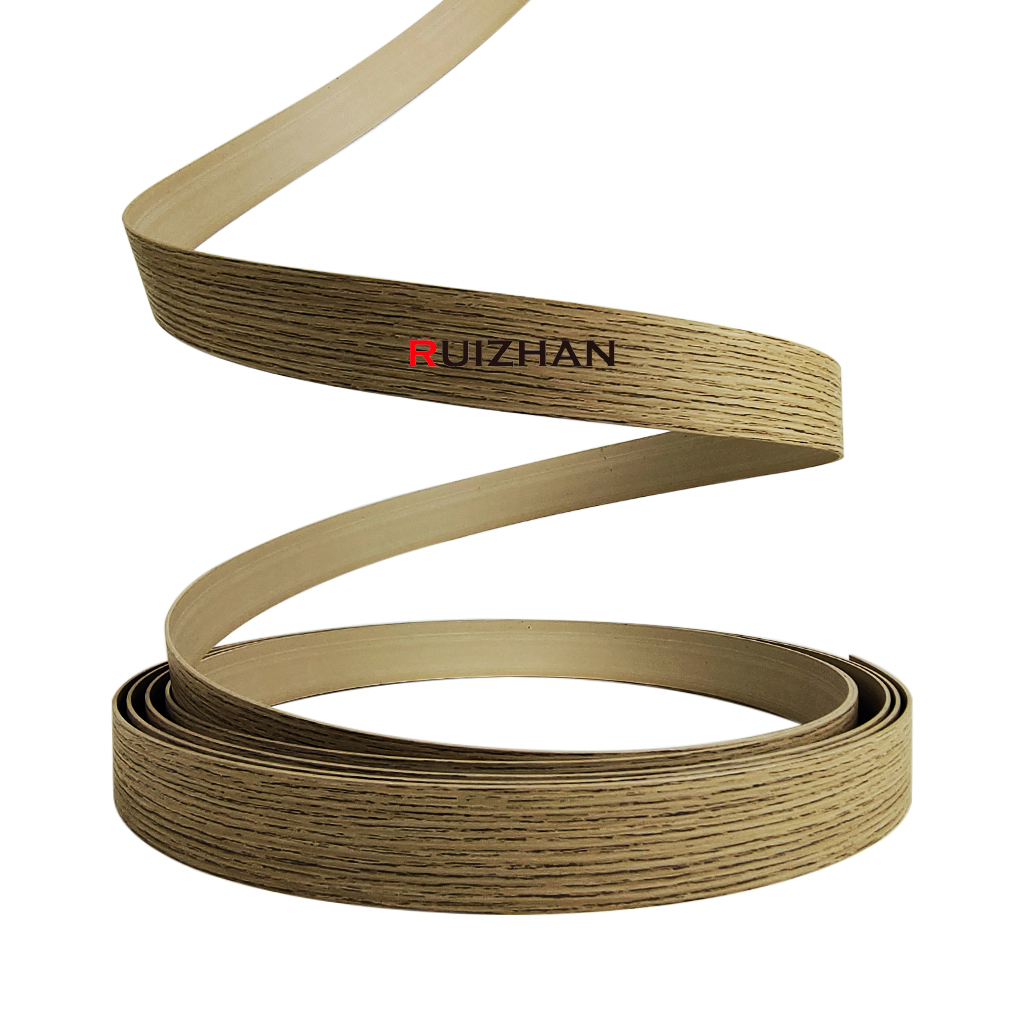
Send an approved board sample, laminate code or physical master rather than a phone photograph. Agree on illuminants, viewing angle, gloss range and an instrumental color-difference method. Patterned woodgrain requires repeat, registration and visual-panel approval in addition to a color value.
Keep a signed master for both parties and define how long it remains valid. Reapprove when the board supplier, printing cylinder, resin system or surface texture changes.
Condition tape and panels before running the trial.
Record adhesive type, temperature, feed speed, pressure and trimming tools.
Run straight panels, short parts and the most difficult radius or contour.
Inspect glue line, chipping, stress whitening, trimming quality and buff marks.
Repeat after storage and relevant heat/humidity exposure.
A hand-applied sample does not prove high-speed machinability. Approve enough roll length to test startup, steady production, splices and roll change.
Review resin and pigment traceability, extrusion controls, inline dimension measurement, surface treatment, printing/embossing, slitting, roll inspection and retained-sample practice. A self-owned color-mixing or mold workshop is useful only when supported by controlled standards and change records.
Ask how nonconforming rolls are identified and contained, how complaint lots are traced, and whether material or process changes require customer approval.
Unit price per meter can hide waste from short rolls, excessive splices, dimension drift, color rejects and slow line setup. Compare usable yield, line speed, rework, minimum order, inventory exposure and lead-time stability. For a program with many décor codes, a disciplined replenishment and master-sample system may matter more than the lowest initial quote.
Thickness depends on furniture design and impact/appearance needs. Specify the nominal value and tolerance for the actual panel and machine.
Yes. Provide a controlled physical standard and approve color, gloss, texture and pattern under agreed viewing conditions.
Define the measurement method, roll/core details, splice policy and labeling. Audit by lot rather than relying only on nominal packaging.
Approve lab color, pilot roll, production-line trial, aged samples and a signed golden standard before mass production.
Send RUIZHAN the décor standard, dimensions, annual demand, machine/adhesive details, performance requirements, compliance market and packaging plan. A precise RFQ makes supplier comparison faster and prevents hidden assumptions from becoming production defects.