
Search
The edges of furniture panels are often not the easiest parts to notice, but they directly affect the product’s appearance, durability, and overall sense of quality. A suitable edge banding strip can not only cover exposed panel edges and enhance the visual effect of furniture, but also reduce damage caused by impacts, moisture, and daily use.
For furniture manufacturers, choosing an edge banding material is not simply a matter of deciding on color and price. It also requires consideration of material performance, processing compatibility, equipment conditions, and the end-use environment of the final product. At present, PVC edge banding and ABS edge banding are two widely used materials in the furniture industry. Although both can provide good edge decoration and protection, they differ significantly in flexibility, impact resistance, dimensional stability, and processing performance.
Therefore, before choosing ABS edge banding, it is necessary to fully understand the characteristics of both PVC and ABS materials and make a judgment based on the panel type, processing method, and product positioning. Only then can you select an edge banding solution that truly meets the needs of the project.
Edge banding does more than provide decoration. It also affects the structural protection, service life, and visual quality of furniture. After panels are cut, the internal substrate is usually exposed at the edges. Without effective protection, these areas are easily affected by dust, moisture, and daily impacts.
For products such as kitchen cabinets, wardrobes, office furniture, and commercial display cabinets, edge areas are often subject to frequent contact and friction. If the edge banding material lacks toughness or the bonding effect is unstable, problems such as glue failure, edge chipping, or surface damage may occur.
In addition, edge banding must be compatible with the actual production process. Even if the material itself has good performance, incompatibility with the adhesive system, edge banding equipment, trimming process, or production parameters may affect the final result.
Therefore, whether choosing PVC edge banding or ABS edge banding, the decision should not be based only on the material name. Instead, it should be comprehensively evaluated according to actual production conditions.
PVC edge banding is a very widely used type of edge banding material in furniture manufacturing. Because PVC materials can achieve different levels of hardness, flexibility, and surface effects through different formulations, they can meet a variety of furniture design requirements.
One of the biggest advantages of PVC edge banding is its good processing adaptability. Depending on the specific formulation and thickness, PVC can show good flexibility, making it advantageous for some curved surfaces, irregular edges, or furniture structures that require a certain degree of bending performance.
At the same time, PVC edge banding offers a wide range of colors, textures, and surface effects. It can easily match different types of furniture panels, including wood grain boards, solid-color boards, and special decorative panels.
In terms of cost and application range, PVC edge banding is suitable for many conventional furniture manufacturing scenarios, such as standard cabinets, office furniture, and projects that are sensitive to overall cost.
However, the specific performance of PVC edge banding is affected by formulation, thickness, and processing conditions. Therefore, in practical applications, suitable specifications still need to be selected according to panel type, use environment, and equipment parameters.

ABS edge banding is made from acrylonitrile-butadiene-styrene (ABS) material and has become an edge banding solution that has attracted attention in the mid-to-high-end furniture sector in recent years.
ABS material has good toughness, rigidity, and dimensional stability, so ABS edge banding is usually suitable for furniture products with higher requirements for durability and appearance consistency.
Furniture edges are prone to impacts during long-term use, such as cabinet door opening and closing, tabletop use, and frequent contact in office environments. Compared with some flexible materials, ABS edge banding, with its good impact resistance, can help furniture edges maintain a more stable condition.
In addition to its performance advantages, ABS edge banding also offers good appearance quality. It can achieve solid colors, wood grain, high gloss, and other decorative effects, meeting the requirements of modern furniture for detailed texture and overall consistency.
For furniture products with simple designs and high surface requirements, the edge banding area often influences consumers’ first impression of product quality. Therefore, ABS edge banding has strong application value in high-end furniture, commercial space furniture, and projects with high visual requirements.
| Comparison Item | PVC Edge Banding | ABS Edge Banding |
|---|---|---|
| Material Characteristics | Flexible formulation; can achieve different hardness and flexibility levels | Good toughness and high dimensional stability |
| Flexibility | Usually offers good flexibility | Overall rigidity is generally higher than flexible PVC materials |
| Impact Resistance | Depends on the specific formulation and thickness | Good toughness makes it suitable for high-frequency use scenarios |
| Appearance Options | Rich colors, textures, and surface effects | Suitable for high-quality decorative effects and appearance requirements |
| Typical Applications | Standard furniture, cabinets, conventional decorative applications | High-end furniture, office furniture, commercial display products |
| Main Advantages | Flexible processing, wide application range, and obvious cost advantages | Outstanding durability, stability, and visual quality |
It should be noted that there is no material that is absolutely superior to the other. PVC edge banding and ABS edge banding each have their own advantages, and the final choice should be made based on the furniture type, production process, and use environment.
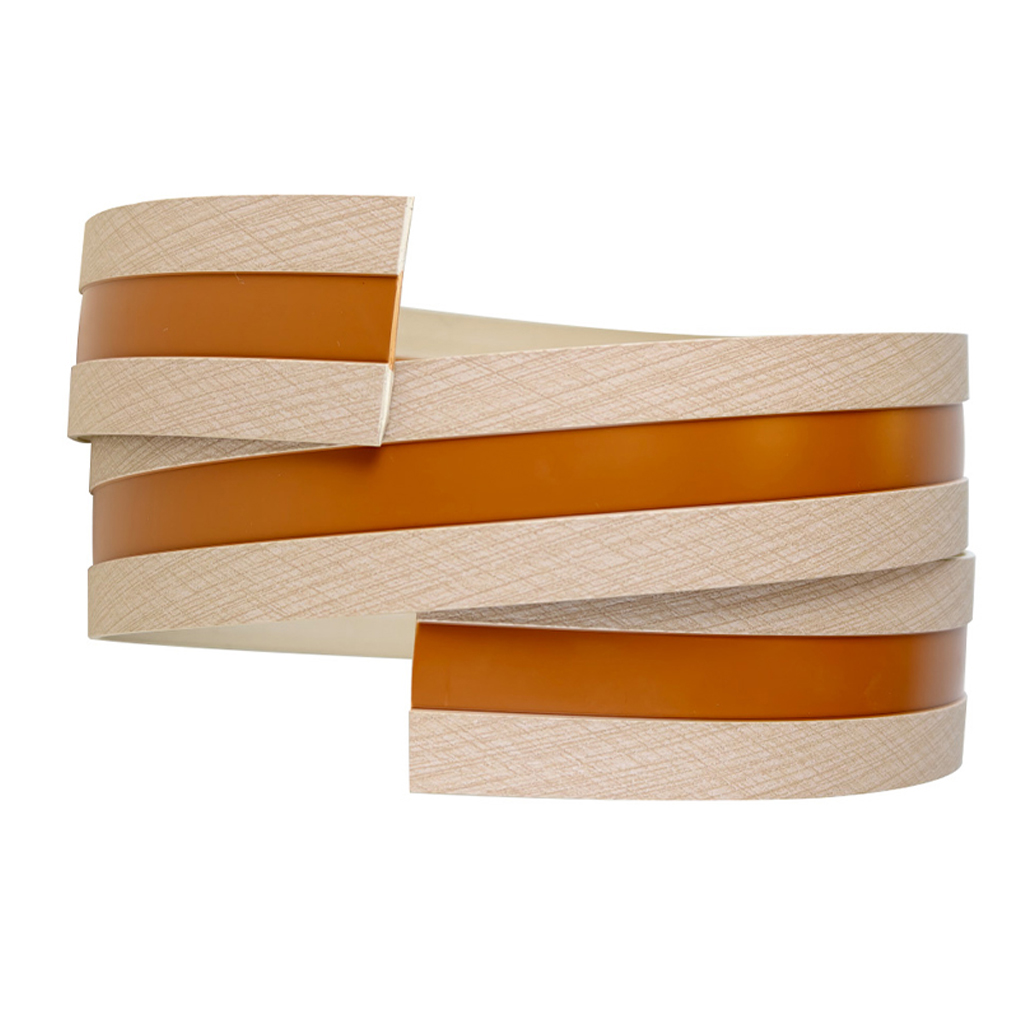
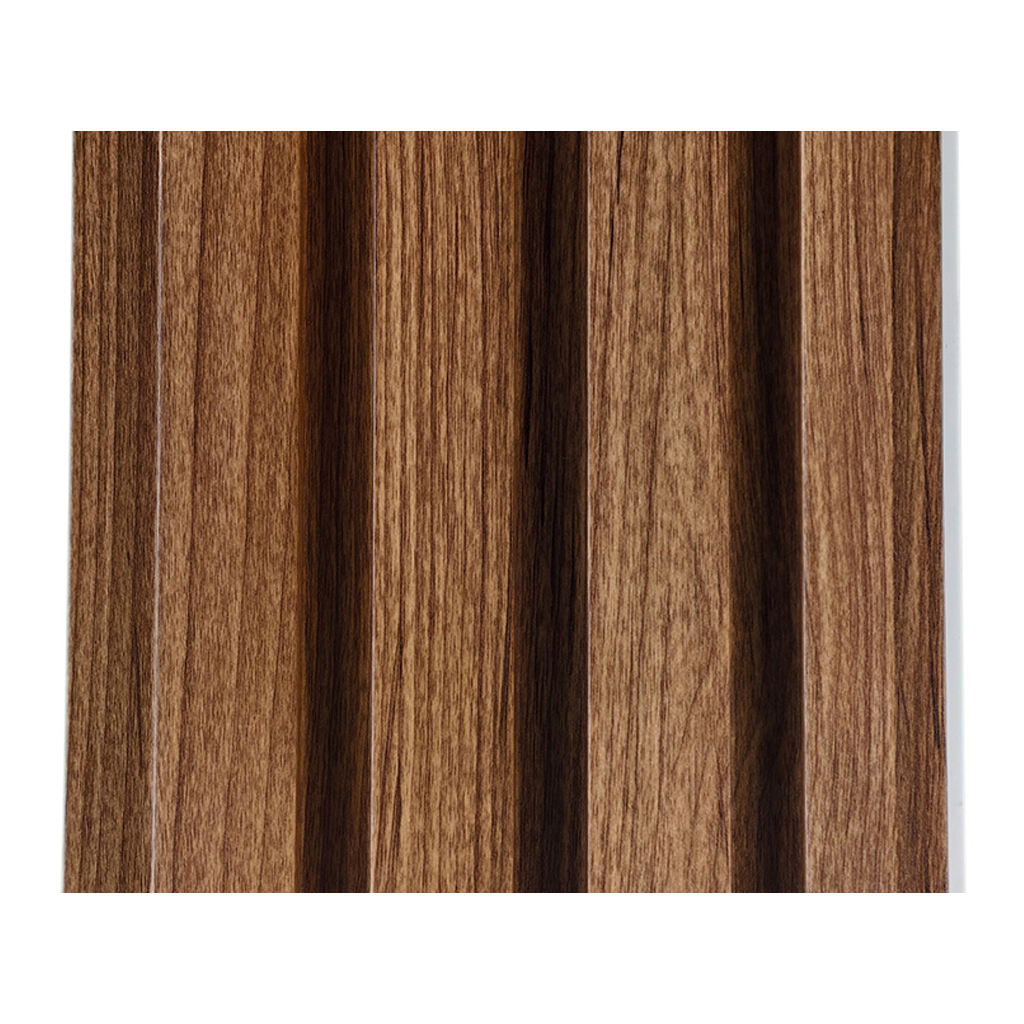
The edge banding effect of furniture depends not only on whether the color is consistent, but also on gloss, grain direction, surface texture, and the transition between the edge banding strip and the panel.
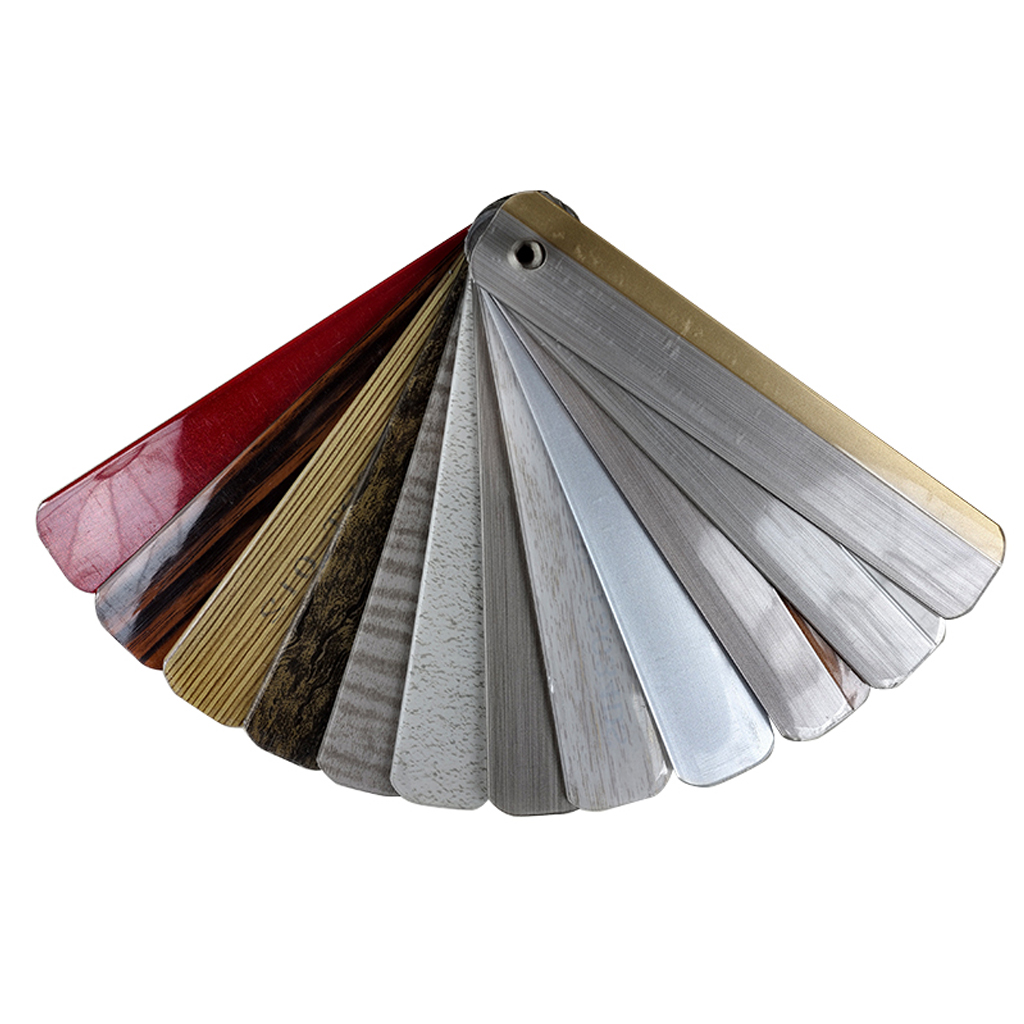
Both PVC and ABS edge banding can provide rich decorative effects, including wood grain, solid colors, and special surface treatments. However, for furniture projects with high requirements, it is recommended not to judge colors only through digital images, but to confirm them with actual panel samples.
This is because display devices, shooting environments, and lighting conditions can all affect color judgment. In actual production, physical samples are usually needed for final confirmation.
Processing compatibility is equally important. Edge banding needs to match the adhesive system used, the parameters of the edge banding machine, and the trimming equipment. Factors such as temperature, speed, and pressure may all affect the final bonding result.
Ruizhan provides edge banding products suitable for different furniture applications, among which ABS edge banding is suitable for projects with higher requirements for impact resistance, dimensional stability, and appearance quality. By conducting an overall evaluation based on panels, adhesives, and production processes, manufacturers can choose a more reliable edge banding solution.
In addition to the material itself, the thickness and width of the edge banding, as well as the edge structure of the furniture, also affect the final result.
Thinner edge banding strips are usually suitable for standard furniture panels, while thicker edge banding strips can provide a more obvious visual layering effect and increase edge protection. The specific thickness should be determined according to panel thickness, product positioning, and use environment.
The width of the edge banding strip needs to cover the exposed edge of the panel and leave a reasonable trimming allowance. If the width is not selected properly, insufficient coverage or material waste may occur during processing.
In addition, edge rounding is also an important factor to consider. Edge banding used for straight-edged panels may have completely different material requirements and processing methods from edge banding used for curved or irregular structures.
For ordinary cabinets, standard furniture, and projects that emphasize production efficiency and cost control, PVC edge banding is usually a practical choice. It offers rich specifications and decorative effects and can meet the needs of many conventional applications.
For high-end furniture, commercial space furniture, or products that need to withstand frequent use over a long period, ABS edge banding may be more suitable. Its good toughness, dimensional stability, and surface performance can help enhance the overall sense of product quality.
If the furniture uses a special curved surface design, testing should be carried out according to the actual radius, edge banding thickness, and processing equipment. It should not be simply assumed that one material is definitely more suitable.
The final choice should comprehensively consider panel type, edge banding equipment, adhesive system, appearance requirements, and the product’s use environment.
When comparing PVC edge banding and ABS edge banding, the most effective method is to conduct tests under the same production conditions.
First, the bonding effect should be checked to confirm whether the edge banding strip can adhere stably to the panel edge. Second, the surface quality after trimming should be observed, including whether there are burrs, cracks, or obvious color differences.
At the same time, evaluation should also be based on the actual use environment of the furniture. For example, bedroom furniture, office furniture, and commercial display furniture are subject to different levels of use pressure, and their requirements for edge banding materials also differ.
Small-batch production testing is usually more practical than simply referring to material parameters. Verification using real panels, real equipment, and actual process conditions can more accurately determine whether the material is suitable for long-term production.
If the project has special requirements for appearance, durability, or specifications, you can contact Ruizhan to further discuss ABS edge banding application needs. Providing panel information, size requirements, surface effects, and production conditions will help obtain more precise material recommendations.
There is no absolute distinction between PVC edge banding and ABS edge banding in terms of which is better or worse. The key is whether the material meets the specific needs of the furniture project.
With its good processing adaptability, rich color options, and high application flexibility, PVC edge banding remains a commonly used solution in many furniture manufacturing projects. ABS edge banding, on the other hand, has clear advantages in high-quality furniture and high-frequency use environments due to its better toughness, dimensional stability, and appearance performance.
For furniture manufacturers, the most reasonable way to choose is not to simply compare material prices, but to comprehensively consider panels, equipment, adhesives, processing conditions, and the final use environment. Determining the material solution through actual production testing can reduce later quality problems and improve the consistency and long-term reliability of furniture products.
ABS edge banding is made from acrylonitrile-butadiene-styrene material. It has good toughness, rigidity, and dimensional stability, and is commonly used for edge protection and decoration of furniture panels.
Not necessarily. ABS edge banding is more suitable for projects that emphasize durability and appearance quality, while PVC edge banding has advantages in flexibility, processing adaptability, and cost control.
It can be used, but practical testing is required based on the curvature radius, thickness, profile design, and edge banding equipment.
ABS edge banding is suitable for high-end furniture, office furniture, commercial display cabinets, and products with high requirements for edge durability and appearance.
It is recommended to use actual panel samples for color confirmation instead of relying only on digital images, in order to ensure visual consistency after mass production.
It is recommended to provide information such as panel type, thickness, edge banding size, color, surface effect, processing equipment, adhesive system, and actual use environment.