
Search
T molding edge banding is a practical edge protection solution for tables, cabinets, counters, game machines and furniture panels. Its T-shaped insert fits into a groove, helping protect exposed edges while improving appearance and durability. For furniture manufacturers, choosing the right size, material and installation method is essential for stable production.
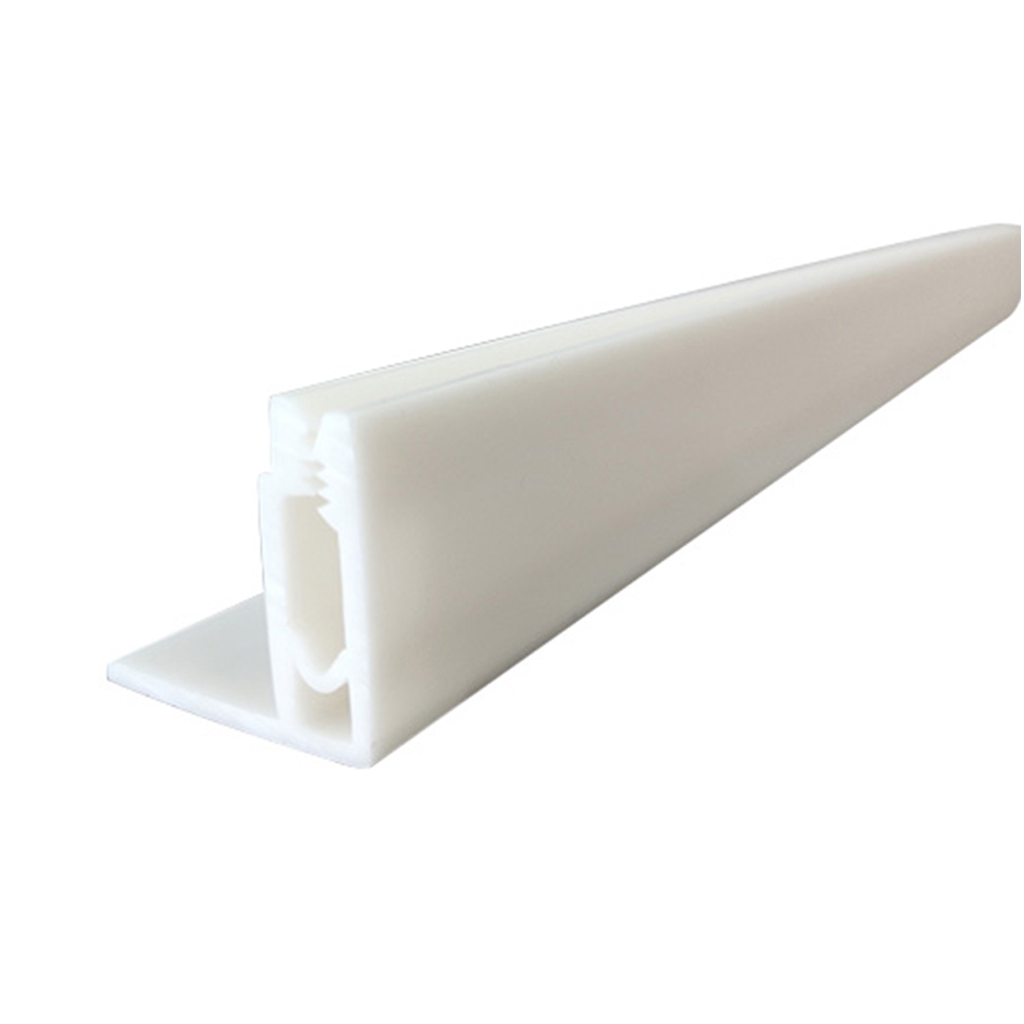
T molding edge banding is an extruded plastic profile with a visible rounded or flat top and a central stem. The stem fits into a routed groove along the panel edge. Once installed, the top section covers and protects the edge of MDF, plywood, particle board or other panels.
It is commonly used when the edge needs stronger mechanical retention than simple adhesive tape. It is also useful for curved edges and furniture that may experience frequent impact. For profile and material matching, check the T molding edge banding page before confirming specifications.
Used for table edges, counters, arcade cabinets, shelves and furniture panels.
The stem locks into a groove for mechanical holding.
Available in different colors, widths, profiles and materials.
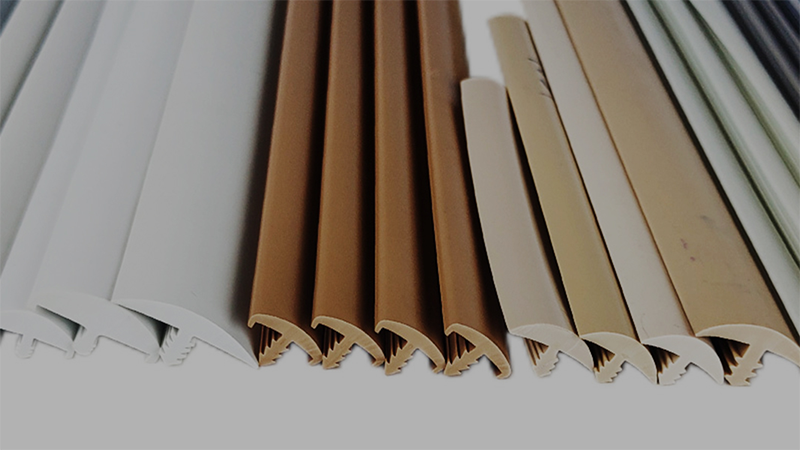
PVC and flexible plastic materials are commonly used for T molding because they provide color options, impact resistance and extrusion flexibility. Some applications require a softer profile for curved edges, while others need a harder edge for straight panels.
The visible top can be round, flat, decorative or anti-collision style. The right profile depends on furniture design, edge thickness and the expected level of wear. For profile and material matching, check the flexible T molding edge banding page before confirming specifications.
PVC T molding for general furniture and decorative edges.
Flexible T molding for curved furniture or rounded panels.
Anti-collision T strips for impact-prone edges.
Custom colors and surface textures for brand matching.
The width of T molding should cover the panel edge cleanly without looking oversized. The stem size must match the routed groove. If the groove is too loose, the molding may fall out. If it is too tight, installation becomes difficult or the panel may split.
Buyers should confirm panel thickness, groove width, groove depth, edge radius and required color before ordering. A supplier can recommend size based on drawing or sample. For related product details, review the anti-collision T strip page before confirming specifications.
Panel thickness and visible edge width.
Stem width and groove compatibility.
Groove depth and insertion strength.
Straight or curved edge application.
Color, gloss and texture matching requirement.
Installation usually begins by routing a centered groove along the panel edge. The groove should be consistent in width and depth. The T molding is then pressed into the groove by hand, roller or installation tool. For some materials or high-stress applications, adhesive may be added for extra retention.
Clean cutting and correct groove preparation are the most important steps. Poor groove accuracy can cause uneven edges, loose corners or visible gaps.
Cut the panel edge cleanly and remove dust.
Route the groove according to stem size.
Press the T molding evenly into the groove.
Trim the end cleanly and check corner fit.
Use adhesive only when required by the application.
A good T molding manufacturer should support color matching, custom extrusion, stable dimensions and sample production. For furniture factories, consistency across batches is important because small color or size differences can affect finished products.
Before bulk purchasing, request samples and test installation on the actual panel. This helps confirm groove fit, flexibility, color and surface appearance.
Ask for color samples and size drawings.
Test the molding on your actual panel material.
Confirm MOQ, lead time and packaging.
Check whether custom profile tooling is available.
It is used to protect and decorate panel edges on tables, cabinets, counters, arcade machines and furniture, especially where stronger mechanical retention is needed.
Route a groove along the panel edge, then press the T molding stem into the groove. The groove size must match the stem for a secure fit.
Yes. Flexible T molding can be used on curved furniture edges when the profile material and bend radius match the application.
Send your panel thickness, groove size, color sample and profile drawing to receive a T molding edge banding recommendation and sample.