
Search
A rough corner or visible join after edge-banding does not automatically mean that the ABS strip itself is defective. The final appearance reflects the strip, panel, adhesive, machine condition and finishing sequence working together. When furniture teams investigate an edge defect by process stage, they can identify which variable deserves attention instead of changing materials without evidence.
Keep a short series of samples: the loose strip, the panel immediately after application, the panel after end trimming and the fully finished part. Photograph the same edge at each step. This helps distinguish an application issue from a trimming or scraping issue. It also allows purchasing staff to discuss the actual fault with the supplier.
Loose strip: check visible surface defects, dimensional consistency and packaging or handling damage.
After application: observe fit along the panel and any visible separation or misalignment.
After trimming: inspect the edge profile for chips, uneven radius or marks left by tooling.
After final finishing: inspect gloss changes, roughness and the appearance of the corners in normal lighting.
For ABS edge strips and matching finishes, approval should use an actual panel processed on the intended edge-banding line. A different material formulation or strip thickness can affect how a finished edge behaves, but so can tool condition and the factory's existing process setup. Do not assign a single cause until the two have been assessed separately.
Compare the production run against a previously accepted sample of the same board and strip specification where possible. If the defect occurs only after a tooling change, investigate the tool and setup. If it appears before processing or follows a particular strip batch, document that finding and discuss it with the supplier. In either case, keep the investigation tied to observable evidence.
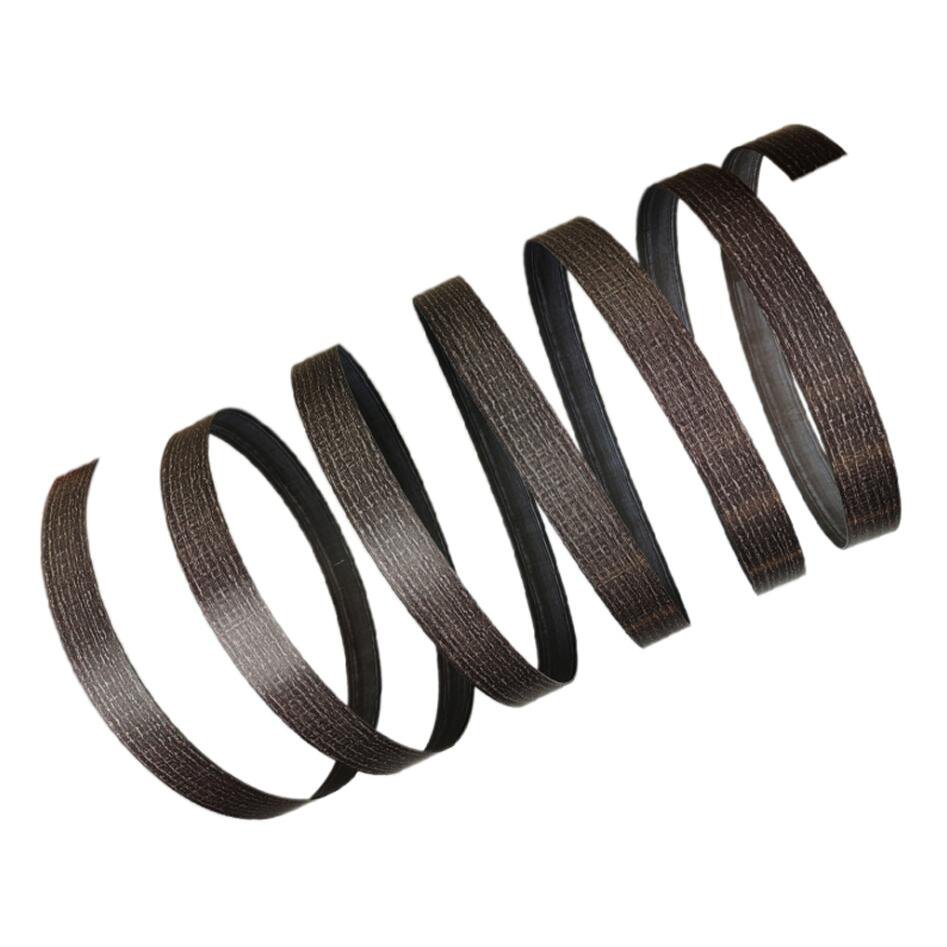
Inspect cutter condition, tool alignment, workpiece stability and the process settings approved for the machine. Compare a controlled sample with an accepted finished edge. A chipped edge is not enough evidence to prescribe a universal speed or temperature.
Check the sequence of application, end trimming, corner rounding and final finishing. A corner can look different from a straight edge even with the same roll of material. Record which stage changes the appearance and whether the result is acceptable under the project's viewing conditions.
Assess the loose strip beside the finished panel. Scraping, buffing, lighting and surface texture can change the visual impression. For decorative furniture, approve the actual corner and finished edge, not only the loose sample held beside the panel face.
Material selection should respond to the product requirement, processing route and documentation needs. A factory may compare PVC edge banding options with ABS for the same panel and run a finished-sample trial. Avoid making universal environmental, durability or processing claims without the appropriate material evidence for the exact grade being purchased.
Record the defect and the stage at which it first appeared.
Identify the panel, adhesive, strip specification and equipment setup.
Change only one relevant variable at a time under the manufacturer's equipment instructions.
Produce a new finished sample and compare it against the accepted reference.
Keep the result and responsible approver in the quality record.
This process also improves communication between production and procurement. Instead of a vague complaint that a roll “does not work,” the team can provide a photograph, process stage and sample identifier. The supplier can then respond to a defined technical question.
Not automatically. First establish whether the defect originates in the strip, the panel, the tooling or the process sequence, using controlled samples and documented observations.
Compatibility depends on panel type, specification, equipment and finishing requirements. A new combination should be checked on a representative finished part.
Include the approved and defective samples, panel and strip details, process stage, equipment information and photographs showing the issue.
When changing ABS edge strips or evaluating a supplier, share a representative finished panel and the problem description. An evidence-based trial provides a clearer route to an acceptable furniture edge than changing materials solely because the last result looked wrong.