
Search
Colored edge banding plays an essential role in the modern furniture industry by combining durability with design flexibility. Its primary function is to cover raw edges of panels, creating a smooth and sealed finish that resists moisture, dust, and daily wear. The addition of color enhances this functionality by providing vibrant or subtle tones that complement the surface of furniture. The use of colored edge banding also improves the tactile quality of edges, making them safer and more comfortable to handle. These functional characteristics ensure that furniture pieces maintain both visual appeal and structural integrity over time.
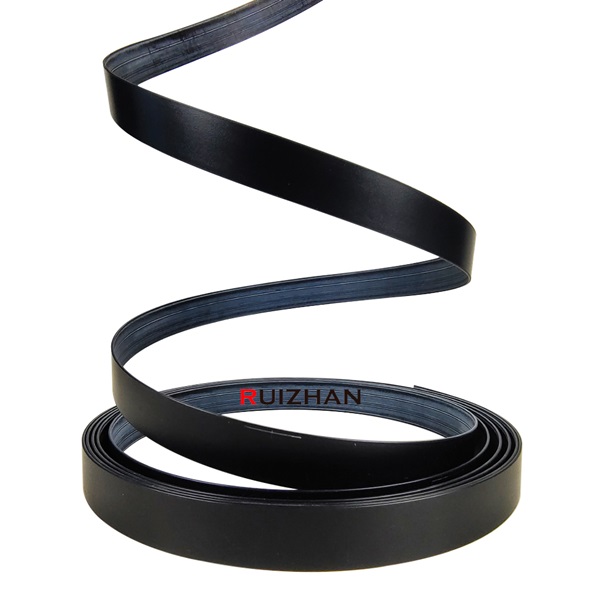
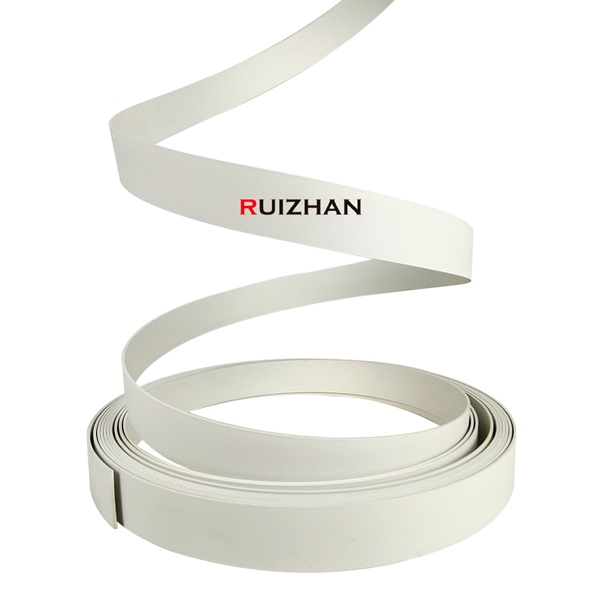
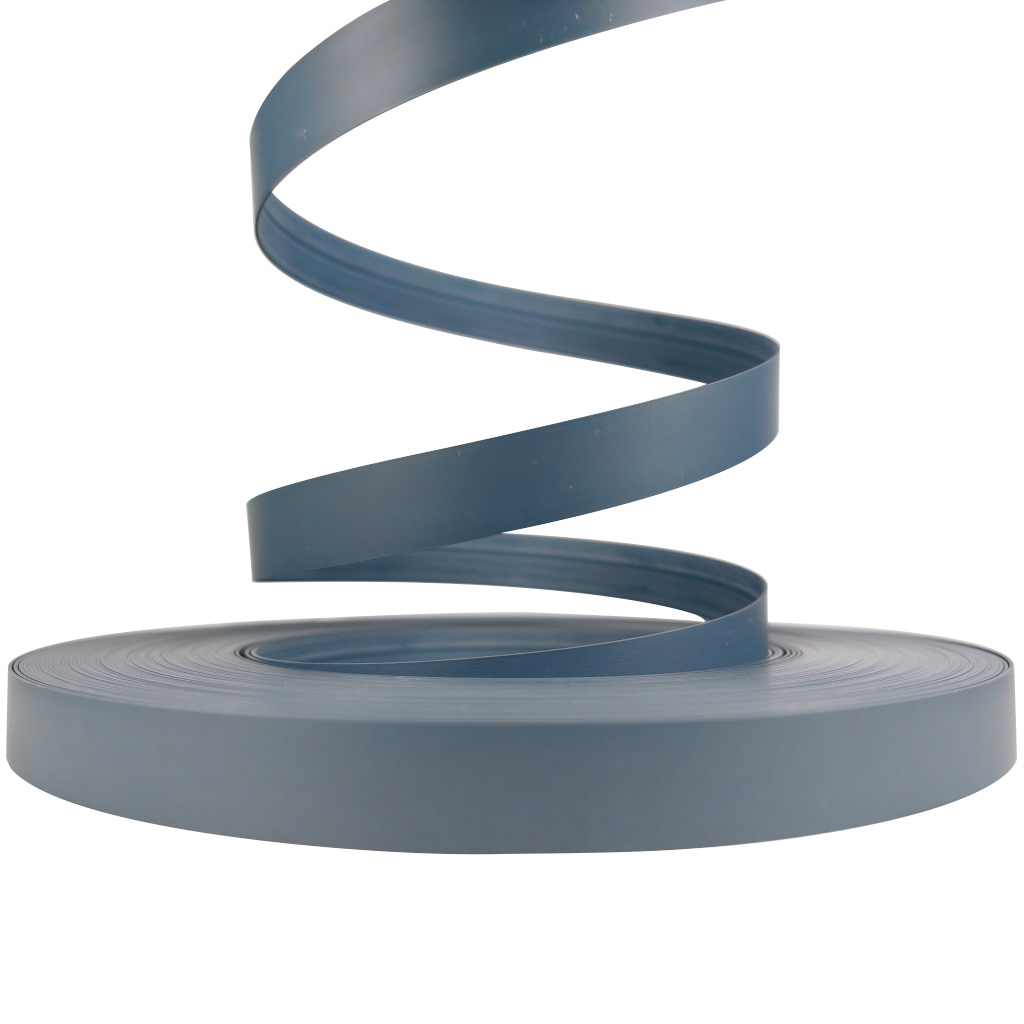
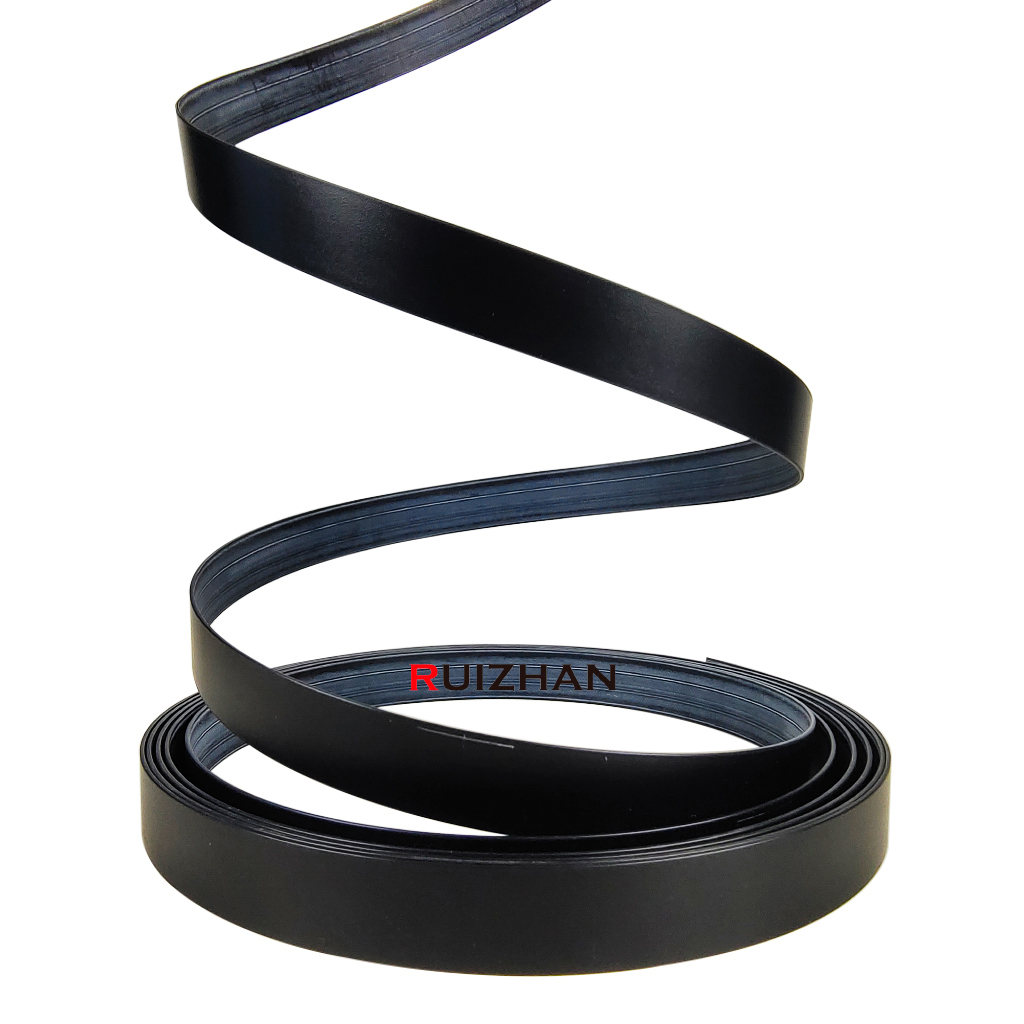
The aesthetic impact of colored edge banding cannot be underestimated, as it allows furniture designers to achieve a wide range of creative expressions. Neutral tones can create harmony with wood surfaces, while bold colors offer striking contrasts that highlight modern styles. Colored edge banding provides an effective way to incorporate branding elements or interior design themes into furniture pieces, making them more distinctive. From minimalist white and black to vibrant blue, or green, colored edge banding transforms ordinary panels into visually engaging features. This decorative versatility elevates the overall design language of residential, commercial, and institutional interiors.
Colored edge banding is manufactured from high-quality thermoplastic materials that undergo precise extrusion processes to ensure uniformity and strength. The surface can be finished with matte, gloss, or textured effects to match the desired design outcome. One of the notable performance features is the resistance to scratches and impacts, which is essential for furniture in high-traffic areas such as kitchens, offices, and retail spaces. Colored edge banding also maintains its vibrancy under normal lighting conditions, resisting fading over time. Flexibility in application ensures that both straight and curved furniture edges can be covered seamlessly, further enhancing performance reliability.
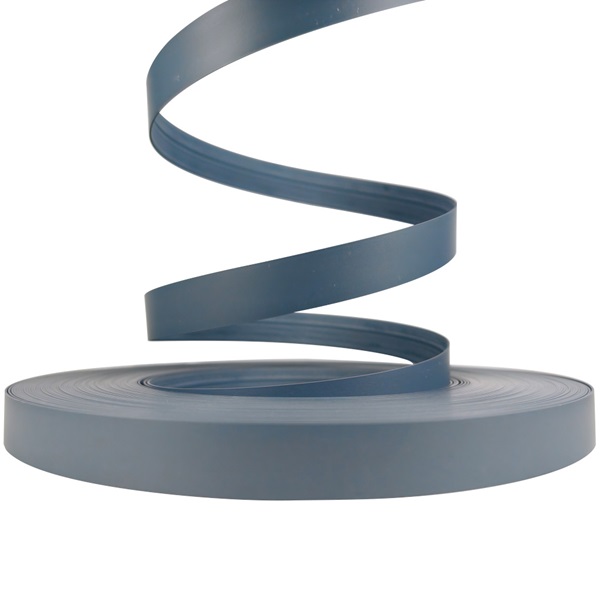
The versatility of colored edge banding extends across numerous applications, making it a popular choice in diverse furniture categories. It is widely used in kitchen cabinets, wardrobes, shelving systems, office desks, and children’s furniture. In commercial interiors, colored edge banding supports branding by matching corporate colors or thematic palettes. Educational environments benefit from bright and playful colors that create engaging atmospheres, while luxury furniture often incorporates sophisticated tones to highlight elegance. These application scenarios highlight the adaptability of colored edge banding as both a protective and decorative solution for various design requirements.
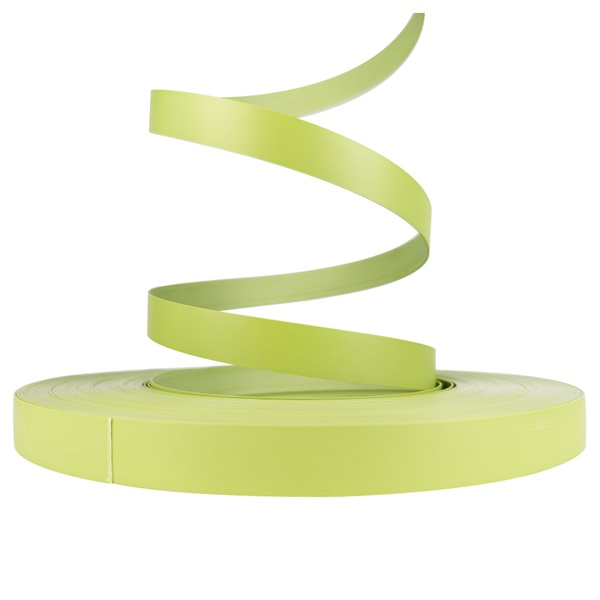
One of the key advantages of colored edge banding lies in its ability to support customization. Designers and manufacturers can select from an extensive palette of colors, widths, and thicknesses to meet specific project needs. Customization ensures a perfect match between the edge banding and the surface material, creating a cohesive and seamless appearance. The possibility of coordinating colored edge banding with different textures, patterns, or finishes allows for innovative furniture solutions that stand out in competitive markets. This flexibility ensures that colored edge banding continues to be a crucial element in achieving unique and high-quality furniture designs.
Functional Characteristics of Colored Edge Banding