
Search
PVC and ABS edge banding are both widely used for furniture panels, cabinets, shelves and interior components. They protect exposed board edges and improve appearance, but the two materials differ in flexibility, processing behavior, environmental preferences, cost and application fit. Furniture manufacturers should choose based on production process, design requirements and target market.
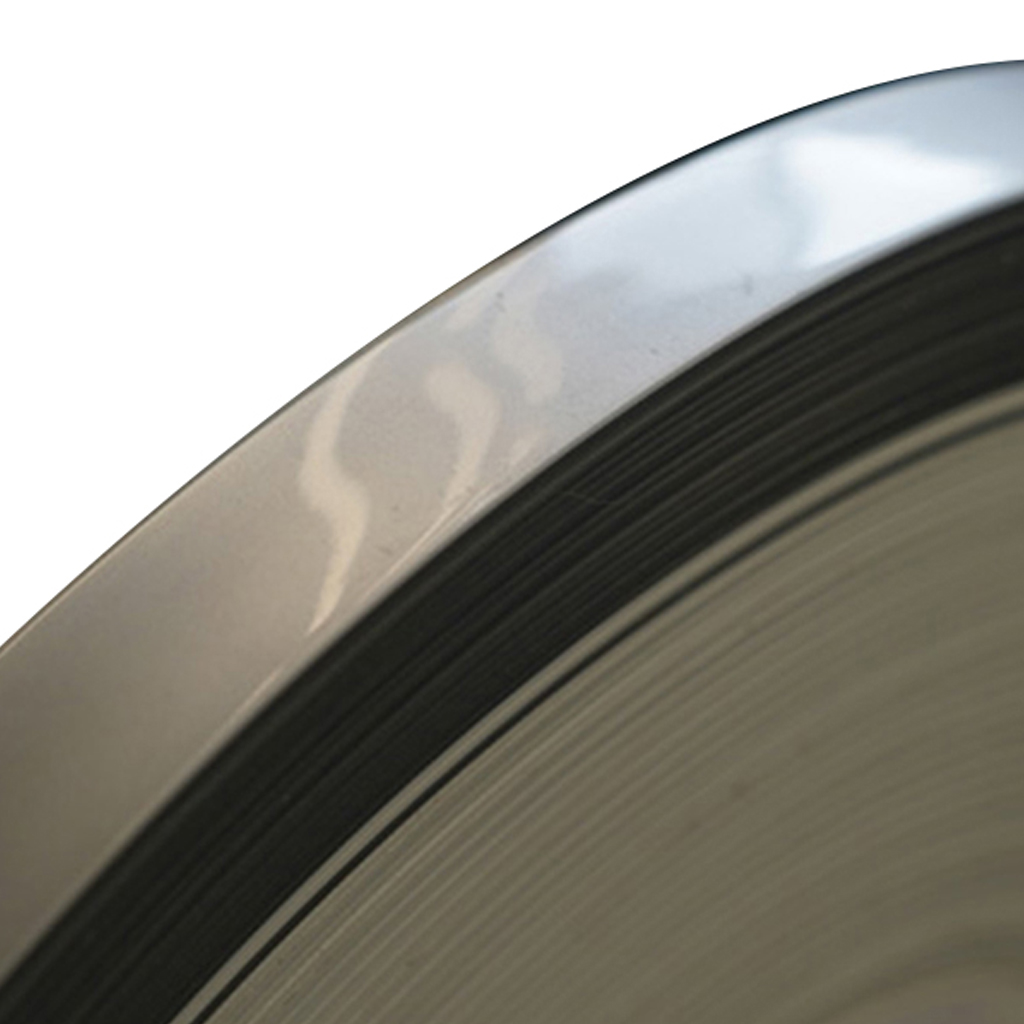
PVC edge banding is a common plastic edge material used with particle board, MDF and plywood. It offers strong color options, good flexibility, impact resistance and cost-effective production. It is widely used for cabinets, office furniture, wardrobes, shelves and general furniture manufacturing.
PVC edge banding can be produced in many colors, wood grains, gloss levels and textures, making it practical for color matching with decorative panels.
Wide color and texture options.
Good flexibility and impact resistance.
Cost-effective for mass furniture production.
Commonly used for cabinets, shelves and office furniture.
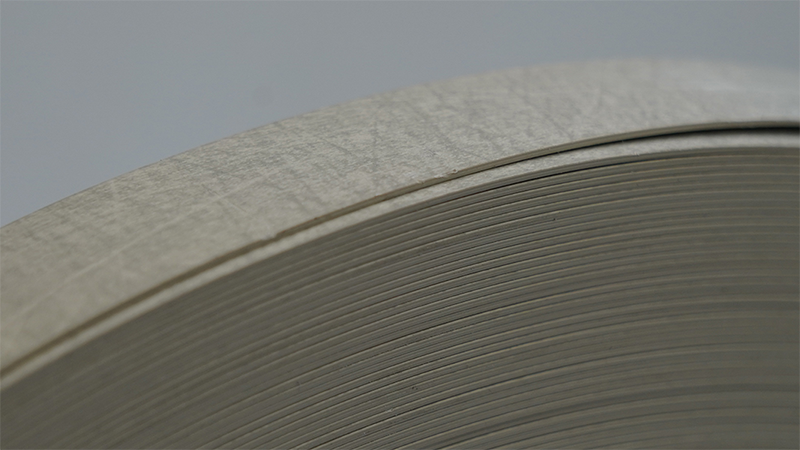
ABS edge banding is another thermoplastic edge material used in furniture manufacturing. It is often selected when buyers prefer a chlorine-free material or need specific processing and environmental characteristics. ABS can provide good surface appearance and stable performance for many furniture applications.
Like PVC, ABS can be produced in different colors, thicknesses and surface finishes. The choice depends on market requirements, processing conditions and customer preference.
Chlorine-free material option.
Good surface quality and furniture appearance.
Suitable for many cabinet and interior panel applications.
Available in customized colors and finishes.
Both PVC and ABS edge banding can be applied with edge banding machines using suitable adhesive. Processing quality depends on tape thickness, adhesive compatibility, trimming, scraping and polishing. The material should match the production equipment and desired edge finish.
Furniture factories should test both materials if they are changing suppliers or switching from one material to another. Small differences in stiffness or surface behavior can affect trimming and finishing.
Check adhesive compatibility and bonding strength.
Test trimming, scraping and polishing results.
Confirm thickness tolerance for automatic equipment.
Match edge banding width with board thickness and trimming allowance.
PVC edge banding is often chosen for cost efficiency and broad decorative options. ABS edge banding may be preferred in markets or projects where material composition is a key selling point. Appearance can be excellent with either material when color matching and surface finishing are well controlled.
The best material is the one that matches your panel design, production process, budget and buyer expectations.
PVC: strong all-around option for many furniture products.
ABS: useful when customers request chlorine-free material options.
Both materials can support custom colors, wood grains and textures.
A reliable supplier should provide color matching, stable thickness, consistent surface quality and samples for testing. For furniture manufacturers, color consistency across batches is critical because panel and edge mismatch can reduce product quality.
Ask whether the supplier can match popular board colors, produce custom widths and support different thicknesses. For new projects, sample testing on actual production equipment is strongly recommended.
Color matching capability.
Stable width and thickness tolerance.
Surface finish options such as matte, gloss or wood grain.
Custom production and batch consistency.
Sample support for machine testing.
Neither is always better. PVC is widely used and cost-effective, while ABS may be preferred for specific material requirements. Choose based on production process, market needs and finish expectations.
Often yes, but adhesive, trimming and finishing settings may need adjustment. Always test the material on your own edge banding machine.
Common choices depend on furniture type, board thickness and edge durability requirement. Thicker edge banding usually offers stronger edge protection but may require different processing settings.
Send your panel color, board thickness, material preference and edge banding machine details to receive PVC or ABS edge banding samples.