
Search
ABS and PVC are both established materials for covering exposed panel edges, but the best choice depends on the product you are making, the finish you need, how the edge will be processed, and the requirements of the market you sell into. A useful comparison therefore starts with the application rather than a claim that one material is always better.
This guide gives furniture manufacturers, cabinet makers, distributors and procurement teams a practical way to compare the two materials before ordering samples. For project-specific specifications, always confirm the current grade, dimensions and processing requirements with the supplier before production.
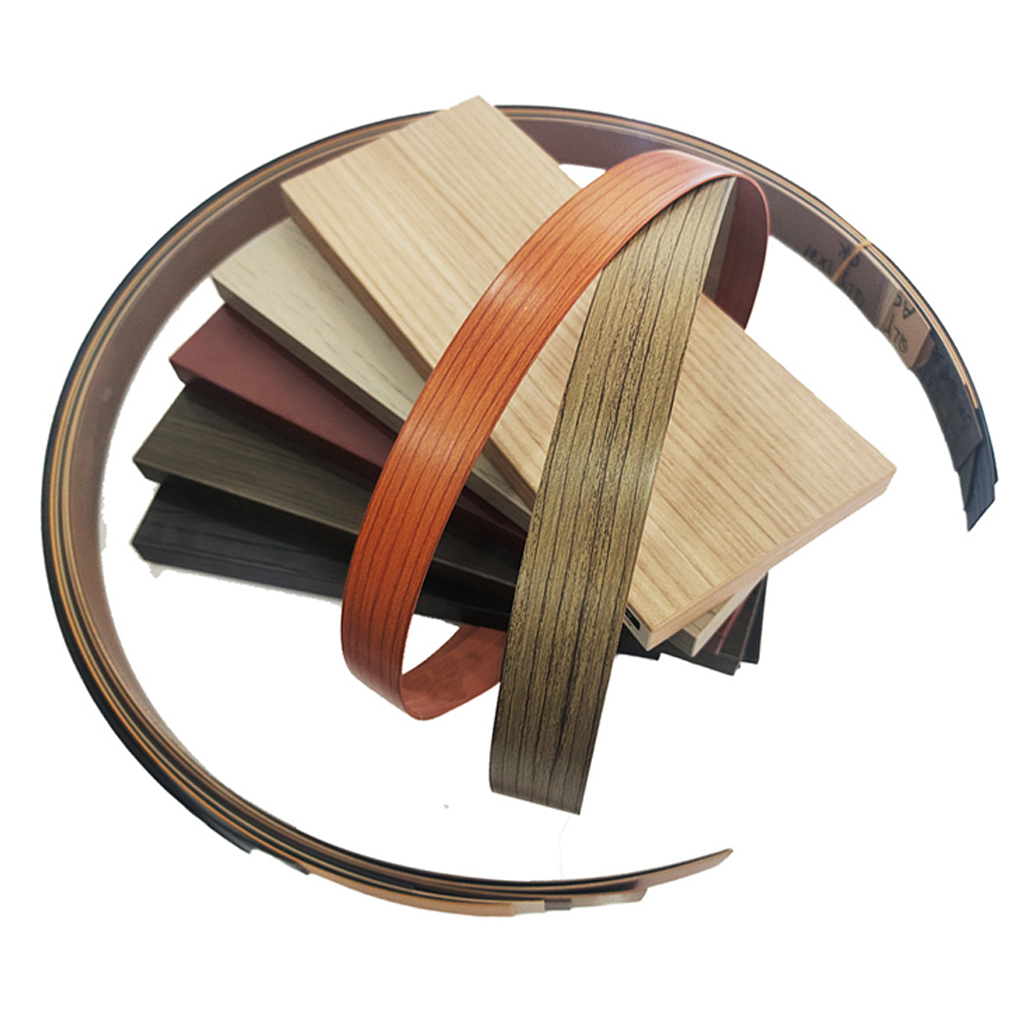
Both materials can be produced as decorative edge strips for wood-based panels and can be supplied in different colors, dimensions and surface finishes. In a finished furniture component, both are expected to protect the exposed panel edge and create a consistent visual transition from the board face to the edge.
That shared purpose is why purchasing teams should compare like with like. A decision should consider the actual width, thickness, surface, color reference, substrate, adhesive/process and end-use requirement instead of comparing material names in isolation.
Decision factor — PVC — ABS — What the buyer should verify —
Design range — Commonly specified for broad furniture applications and decorative finishes. — Also available for decorative furniture applications. — Confirm the exact color, texture, gloss and approved sample for the project. —
Processing — Processing behavior depends on the supplied grade, dimensions, adhesive and machine setup. — The same principle applies: processing must be validated for the selected product. — Run a production trial using the real board, adhesive and machine settings before scaling. —
Material policy — Suitable where PVC is accepted by the project and market requirements. — May be preferred when a buyer or project specification explicitly calls for ABS. — Check customer, regulatory and sustainability requirements that apply to the destination market. —
Commercial fit — Often considered where buyers prioritize availability, customization and established processing routines. — Often considered where ABS is specified by the customer or product program. — Compare total purchasing requirements, not material name alone. —
A furniture factory can avoid many sourcing problems by writing a short edge-banding specification before asking for a quote. The specification should identify the board or substrate, target width and thickness, visible finish, color or board reference, expected quantity and destination. If the edge must follow a radius or other special geometry, include that information as well.
For projects that already use PVC edge banding, it is useful to document the approved sample and dimensions so repeat orders can be checked against the same reference. If a product program requires ABS, review the available ABS edge banding options using the same process.
Digital images and screen colors are convenient for early discussion, but they are not a substitute for sample approval when the edge needs to match a decorative board. Lighting, screen settings, gloss and texture can change how a color is perceived. A physical board sample or an approved reference provides a stronger basis for matching.
For purchasing teams, the approval record should identify the board reference, edge sample, finish, dimensions and date. That makes it easier to compare later batches with the same target instead of relying on memory or screenshots.
Edge quality is influenced by more than the strip itself. Board condition, adhesive choice, machine condition, feed settings, trimming tools and the production environment can all affect the result. That is why a sample that looks correct off the roll should still be tested on the actual production line before a large order is released.
During a trial, check bond quality, trimming, visible glue line, corner finish, surface marking and the consistency of the final component. Record the settings that produced an acceptable result and treat them as production information rather than assuming a universal setting applies to every material or machine.
PVC can be a practical choice when it already fits the factory's product specification, processing routine and market requirements. It is widely used across furniture applications and can support a broad range of decorative requirements. Buyers should still validate the exact grade, dimensions, finish and sample rather than assuming all PVC edge banding behaves the same.
ABS can be the better fit when the customer, product brief or purchasing policy specifically asks for ABS, or when the manufacturer has standardized the production program around it. The key point is that the reason should come from the real project requirement, not from a generic internet claim that one material is universally superior.
Which material is required by the product specification or customer?
What width and thickness are needed for the actual board?
What physical color, decor or finish reference will be approved?
Will the supplier provide a sample for production-line validation?
Are there any destination-market or customer material requirements?
What quantity, packaging and delivery information should be included in the quote?
If you are still deciding among materials, the broader edge banding range can help you compare the product families before you request samples.
No. The better choice depends on the project specification, customer requirements, processing method, finish and commercial constraints. Compare the actual products and approve samples for the intended application.
Do not assume they can. Validate the selected material on the real board, adhesive and machine, then record the approved production settings.
Use the same physical board or approved reference for both materials, review color together with gloss and texture, and approve a physical sample before bulk production.
Send the material preference, width, thickness, board or color reference, finish, quantity, destination and any processing or packaging requirements that affect the order.
Next step: If you are comparing ABS and PVC for a current furniture program, send Ruizhan your board reference, dimensions, finish and expected quantity so the relevant product options can be reviewed before sampling.